
Last updated November 21, 2026
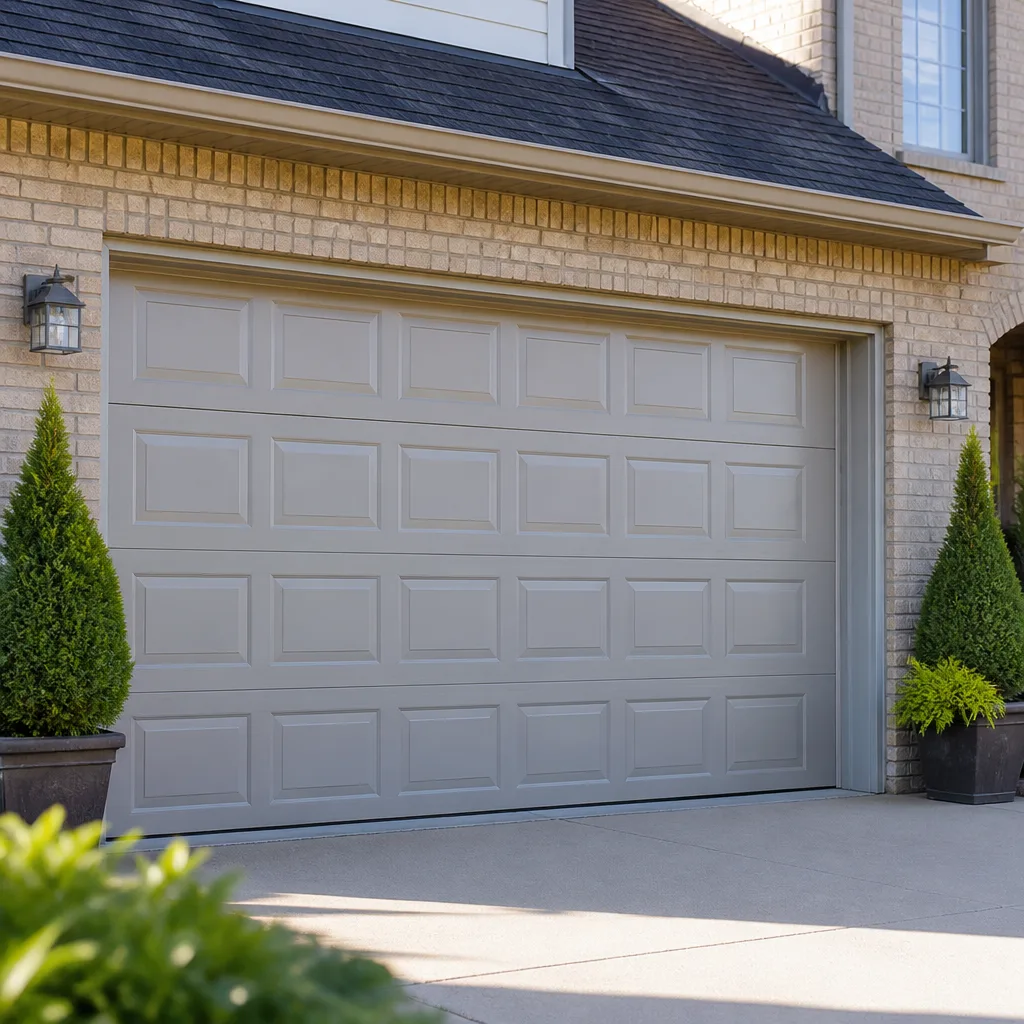 Raised-panel steel
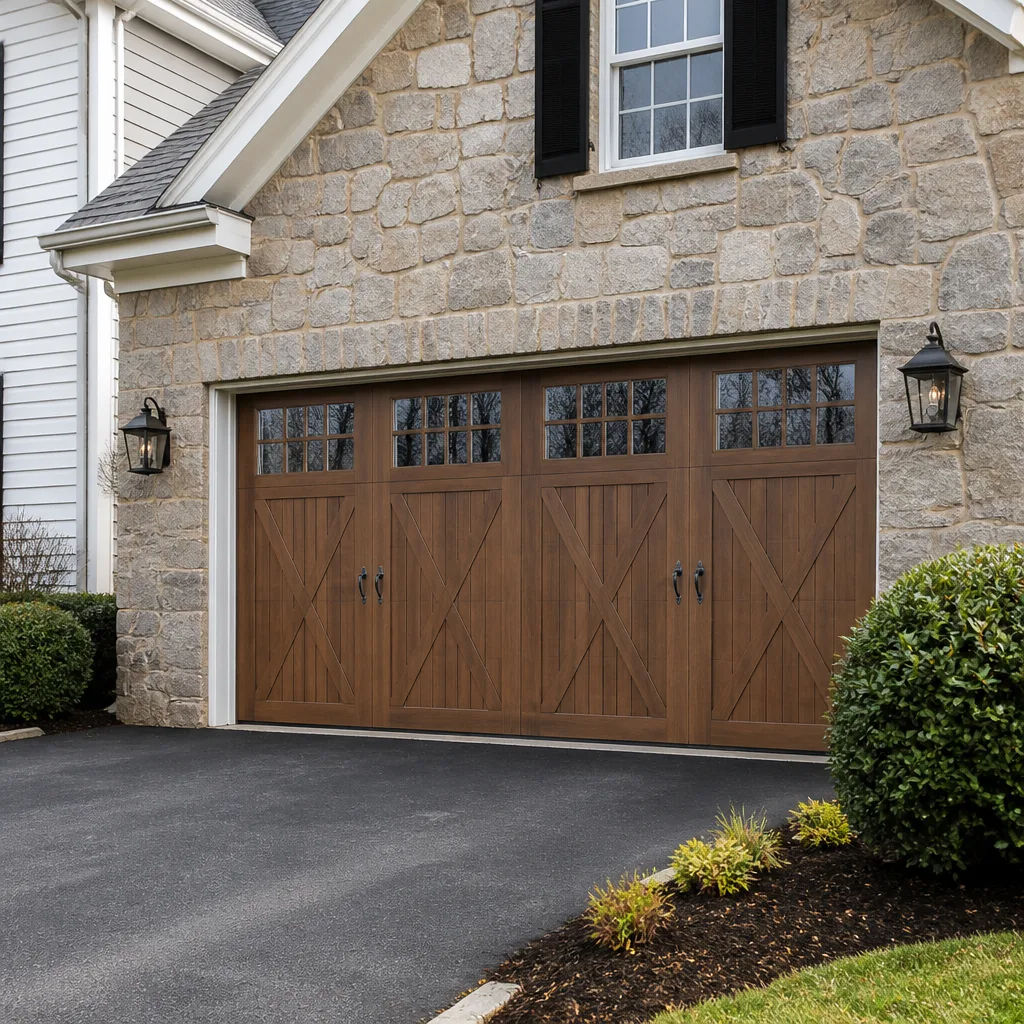 Carriage house
 Modern flush
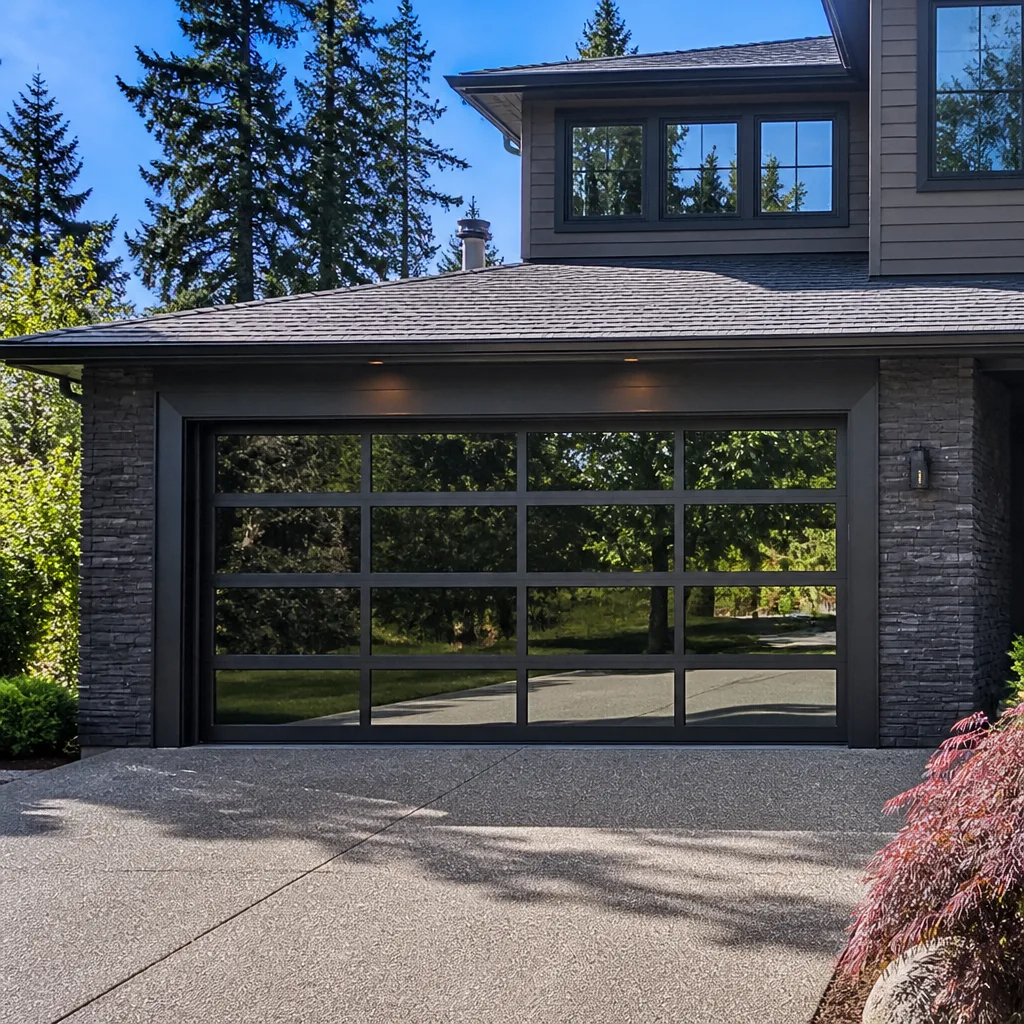 Full-view glass
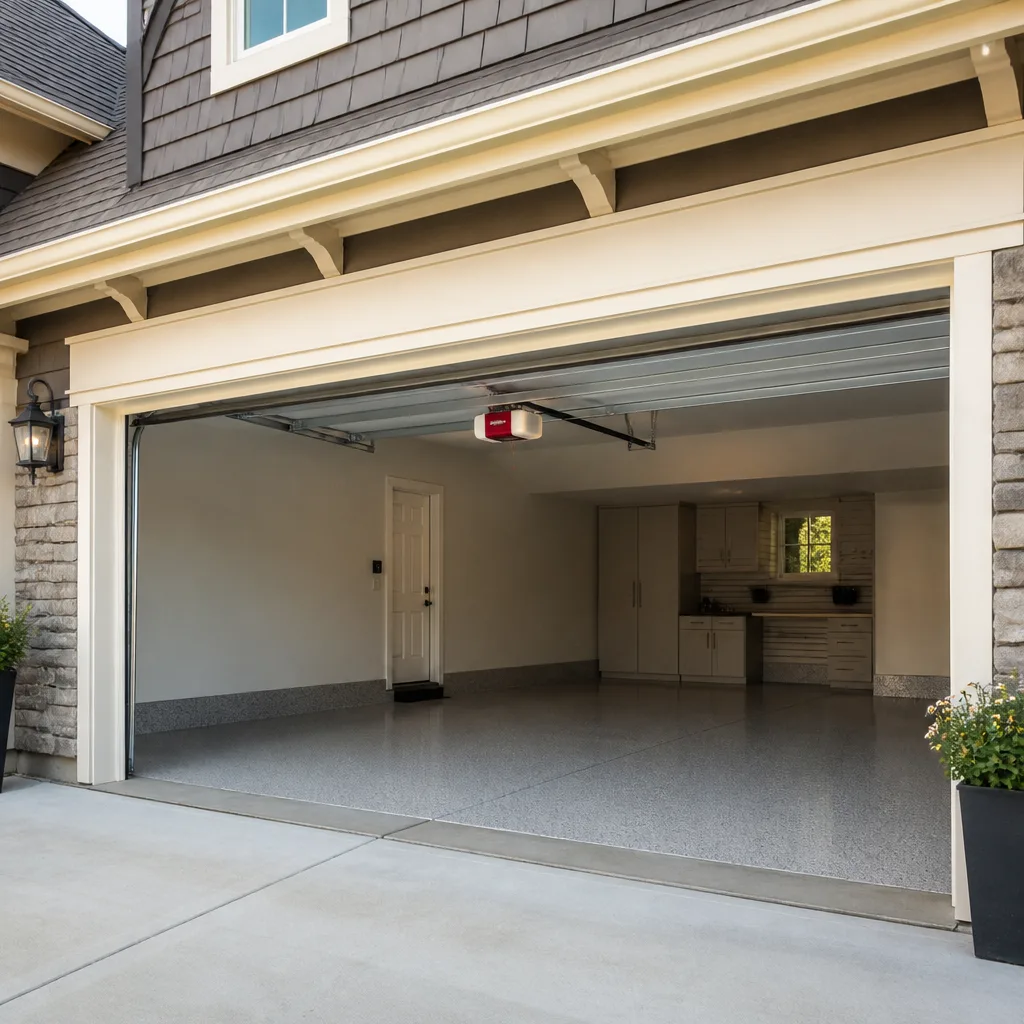 LiftMaster openers
 Chamberlain openers
Full 25-point door and opener safety check with every visit - springs, cables, rollers, tracks, and your LiftMaster or Chamberlain opener included
You get a price before we start. It does not change when the pro arrives.
Get your free estimateGarage Door Permits, Codes & Inspections in Noblesville, IN: What You Need to Know
Most Noblesville homeowners assume a garage door is a repair-and-replace item that flies under the permit radar. It doesn’t always. Replacing the entire door or the opener assembly in many cases falls under local building permit rules, while swapping a spring or a roller usually doesn’t. That distinction trips people up at the worst possible time: during a home inspection, an insurance claim, or a closing. This guide walks through what actually triggers a permit in Noblesville, what a city inspector looks at, which model code sections apply in Indiana, and how the HOA rules layered on top of municipal code in Noblesville subdivisions change the picture. By the end, you’ll know whether your job needs paperwork before the first screw goes in.
Quick Answer
In Noblesville, replacing a garage door or installing a new one generally requires a building permit from the city, while routine repairs like spring replacement or opener fixes typically do not. The inspector’s job is to confirm the door is structurally sound, properly anchored, and safe to operate. Skipping the permit can surface later during a home sale, an insurance claim, or a lender appraisal, and retroactive inspections are far more hassle than the original permit. When in doubt, your first call should be to the Noblesville Building Department, not to a contractor. That single question saves weeks.
Styles & brands we work with
- Raised-panel steel
- Carriage house
- Modern flush
- Full-view glass
- LiftMaster openers
- Chamberlain openers
Table of Contents
- When does a garage door project need a permit in Noblesville?
- Repair vs. replacement vs. new installation: which one triggers paperwork?
- What an inspector actually checks during a garage door inspection
- The Indiana and model code sections that apply
- How unpermitted work affects insurance and real estate disclosures in Indiana
- HOA overlay rules in Noblesville subdivisions
- How Noblesville weather affects door wear and inspection timing
- A step-by-step guide to pulling a permit and passing inspection
When does a garage door project need a permit in Noblesville?
The short answer: a full garage door replacement or new installation typically needs a building permit in Noblesville. A repair to the operating hardware usually doesn’t. The line between the two sits at structural and attachment work. If the job touches the framing, changes the opening size, adds a new header, or introduces a door where none existed, expect to file. If you’re replacing a broken torsion spring on an existing door, you’re almost always in repair territory and off the permit hook.
That’s a useful rule of thumb, but it isn’t a legal one. Noblesville’s building department is the authoritative source on your specific address, and permit thresholds can shift between a standard residential replacement and a project on an older home where the opening may not meet current code. We always tell homeowners to make the call themselves before work starts. It takes ten minutes and eliminates all ambiguity.
When you do pull a permit in Noblesville, the paperwork typically covers:
- The address and legal description of the property
- A description of the scope: full door replacement, new installation, or structural change
- Manufacturer spec sheets for the door and any opener (Clopay and Amarr both publish these, and inspectors expect them)
- Attachment and anchoring details for the door and the opener rail
- A site plan if the opening size or header changes
One more point that saves people time: the permit is not a rubber stamp. It’s the city’s way of confirming the work will be inspected against the code that was in force when the permit was issued. That code varies by edition adoption, so what passed on your neighbor’s job last year may not pass on yours.
Repair vs. replacement vs. new installation: which one triggers paperwork?
Homeowners in Noblesville get hung up on this distinction because the words “repair” and “replace” sound interchangeable. They aren’t, in permitting terms. Repair work keeps the existing door and opening in place and swaps out worn or broken components. Replacement removes the door itself and installs a new one of the same size in the same opening. New installation creates a door and opening where none existed, or changes the opening geometry. The first is almost always permit-free; the second and third usually aren’t.
Repairs that typically don’t need a permit
- Torsion or extension spring replacement
- Cable, roller, and hinge replacement
- Opener repair or replacement of the motor unit in an existing opener rail
- Sensor alignment and safety-reverse adjustment
- Track straightening and bracket tightening
Work that usually does need a permit
- Removing and installing a complete new garage door
- Changing the opening width or height
- Adding a door where the opening was previously walled off
- Structural header or framing changes to accommodate a heavier door
- Adding a new opener to a door that never had one, when it requires new electrical
We’ve seen Noblesville homeowners save real headaches by asking one question of the building department before they order a door: “Is a permit required to replace my garage door at this address?” If someone on the other end says yes, the permit is filed before the door is ordered. Doors from Clopay, Amarr, and other major lines ship on scheduled lead times, and there’s no reason to unbox an expensive door while waiting on a permit approval.
If you’re not sure which bucket your job belongs to, that’s the moment to talk to a specialist rather than a generalist. A handyman who does garage door work on the side has no incentive to tell you a permit is needed. For our part, when a Noblesville garage door replacement is in scope, we walk through the permit question with you up front so there are no surprises after the fact. See garage door installation for the full process from measure to final adjustment.
What an inspector actually checks during a garage door inspection
The inspection is not a deep technical audit of every moving part. It’s a structured safety confirmation. An inspector is verifying that the door, the opener, and the attachment points meet code and will operate safely for the homeowner. Most residential inspections are completed inside a moderate time window, and the walkthrough itself is short. What gets documented is what the inspector can see and test.
- Anchoring and structural attachment. The inspector confirms the door track, hinges, and opener rail are secured to the framing in a way that meets the manufacturer’s spec and code requirements. Loose brackets or fasteners into drywall rather than framing will fail.
- Balanced operation. The door is raised part-way and released to confirm it stays in place. A door that drops or drifts signals a spring or balance problem.
- Safety reverse function. The inspector tests the auto-reverse mechanism with an obstruction in the path. This is a critical safety item, and it’s the one most often out of adjustment.
- Photoelectric sensors. Both sensors must be mounted within the code-mandated height above the floor and aligned.
- Warning labels and manufacturer documentation. Springs, brackets, and the door itself carry hazard and maintenance-warning labels. Missing or painted-over labels get flagged.
- Attachment of brackets to structure. Spring brackets and the torsion bar must attach to framing, not to the surrounding masonry or drywall.
- Clearance around moving parts. The inspector looks for obstructions the door can foul against, including stored items and structural protrusions.
How to prepare for the inspection
- Clear the garage floor so the door has full travel in both directions
- Have the manufacturer documentation ready for the door and opener
- Confirm the sensors are unobstructed and aligned
- Have your permit paperwork accessible
- Test the reverse function yourself first so you know what the inspector will see
If the inspector finds something, the typical fix is small: sensor alignment, a bracket fastener, or a label replacement. Most of those are corrected in a single visit. That’s precisely why we recommend a trained garage door specialist handles the final adjustment before you schedule the inspection. Check the door’s balance and reverse function every few months in the interim.
The Indiana and model code sections that apply
Indiana adopts the International Residential Code and International Building Code as the basis for its residential construction code, with state amendments. The sections that matter most for garage door work are the ones covering structural attachment, means of egress, fire separation, and safety devices. If you have a garage door problem or a permit question and you’re looking for where code applies, the answer starts with the code edition your city is currently enforcing. Noblesville’s building department can tell you which edition is in force for your permit.
The specific model code sections most often cited on residential garage door permits are:
- IRC Chapter 3 – building planning, including garage separation requirements from living space
- IRC Chapter 6 – wall construction, where header and framing changes to a door opening fall
- IRC R309 – garage and carport separation from the dwelling, with fire separation and door requirements
- IRC Section R612 – safety glazing, which applies when the door contains glass panels
- IRC Section R302 – fire-resistant construction, which governs the shared wall between garage and house
- IBC Chapter 7 – fire and smoke protection features, relevant when the garage door is part of a rated separation
What those sections mean in plain terms: the inspector is checking that your garage door and the surrounding construction keep the garage safely separated from the living space, that the door won’t shatter dangerously if glass is involved, and that the door itself won’t fail structurally under expected wind load and use. You don’t need to memorize the code sections. But knowing which ones inspectors flag helps you ask the right questions and prepare the right documentation. And if the garage door is part of a fire-rated assembly, a standard door doesn’t always meet the requirement; an inspector will flag the difference.
One caution that applies in Indiana and everywhere else: the permit issuance is based on the code edition adopted at the time of permit. If your home was built under an earlier edition and you’re doing newer work, the inspector applies the newer code to the new work. That’s normal, and it’s why a permit filing is more paperwork up front than it looks.
How unpermitted work affects insurance and real estate disclosures in Indiana
Unpermitted garage door work doesn’t usually void an entire homeowner’s policy, but it can absolutely complicate a claim. That’s the distinction that matters. If a door installed without a permit later fails, and the failure causes damage the homeowner files for, the insurer may investigate whether the work met code. When the work can’t be verified as permitted and inspected, the claim can face delays, partial denial, or a request to complete a retroactive inspection before the claim is paid. It also comes up at the point of sale.
During a home sale in Indiana, the seller is required under state disclosure law to disclose known material defects. Work done without the required permit is the kind of thing that typically surfaces in an inspection report, and disclosure becomes the seller’s problem. We’ve seen this derail closings more than anything else garage-door-related. A buyer’s inspector flags an unpermitted installation, and the deal waits on a retroactive inspection and an approvals process that can stretch into weeks.
What to expect if a permit wasn’t pulled:
- Your buyer’s inspection report flags the door as unpermitted
- The seller is asked to arrange a retroactive inspection before closing
- The city may require the door to be brought up to current code, not just inspected as-is
- An insurance claim involving the door may be reviewed for code compliance first
- The buyer may request a price reduction or seller credit to cover the uncertainty
The fix in advance is simple: pull the permit before the work. When we connect homeowners with a vetted local professional for a Noblesville garage door replacement, the conversation about permits happens before the door is ordered. That’s how you keep the closing moving and the insurance claim predictable. For routine repairs where no permit applies, there’s still a claim-review angle: matching parts, proper tension, and correct fastening all keep the installation defensible. See garage door repair for what a code-correct repair looks like.
HOA overlay rules in Noblesville subdivisions
Municipal code is only half the rulebook in Noblesville. The other half is the HOA, and in many Noblesville subdivisions the HOA rules sit directly on top of the city’s building permit process. A door that passes city inspection can still get rejected by an architectural review committee after the fact. That piece is often stuck in the fine print, and homeowners don’t find out until the door is already installed and the neighbor notices.
The HOA rules typically govern the visual and material appearance of the door, and the review process is completely separate from the city’s permit. Both approvals can be needed on the same project, and neither substitutes for the other. That’s a common surprise in Noblesville’s established subdivisions and newer developments alike.
The HOA items that come up most:
- Door style consistency with the home’s architectural character (raised-panel versus carriage-style versus flat panels)
- Material and manufacturer appearance requirements (wood-look, steel, aluminum, composite)
- Color and finish restrictions; often a specific palette
- Window or panel configuration
- Window and panel trim and stile proportions
- Approval of a specific model, not just the general style
- Advance notice to the architectural committee before installation
The sequence that avoids trouble: read the HOA documents first, submit the architectural request, then pull the city permit once the HOA approves the specific door model. If the HOA rejects the model, you’ve saved yourself a permit filing and a shipped door. A specific Clopay or Amarr model often gets approved faster than a vague request, because the committee is looking at the finished design rather than guessing. Our advice to Noblesville homeowners: get the HOA approval in writing before the door is ordered.
How Noblesville weather affects door wear and inspection timing
Noblesville sits in a part of Indiana that gets cold winters, hot summers, and real freeze-thaw cycling. That pattern is hard on garage doors. Wood and composite doors move seasonally, steel doors expand and contract with temperature, and the hardware above them takes the wear. Springs are especially sensitive; cold snaps make metal more brittle, and that’s when failures spike. Knowing how the seasons affect the door tells you when to check it and when to inspect it.
The seasonal wear points:
- Freeze-thaw cycles work at the weather seal and threshold, and can let water in that warps wood
- Cold snaps put stress on springs and cables and are a common failure window
- Summer heat and humidity affect panel and seal expansion, and can bind the door in the tracks
- Frost heave at the threshold can shift the door’s seal alignment
- Snow and ice can block the door’s travel and stress the opener in cold weather
The practical recommendation for Noblesville homeowners is to inspect the door before the first cold snap and again in spring. Look at the springs, the weather seal, the sensor alignment, and the balance. If the door starts to bind in summer heat or lift unevenly in winter cold, that’s the moment to have it checked rather than waiting for a failure at the wrong time. We work on Spring systems and tension hardware of this type regularly, and the pattern is consistent: the seasonal change is a checkpoint, not a deadline.
One safety point that applies year-round: torsion springs are under extreme tension, and a snapped spring can injure someone standing nearby. This is not a DIY repair. Extension springs carry the same risk. Hand a spring problem to a trained technician and skip the trip to the emergency room. If your springs are the issue and the weather has made it worse, see Noblesville Garage Door Repair for the service side of it.
A step-by-step guide to pulling a permit and passing inspection
Here’s the sequence that works for a Noblesville garage door replacement, from first call to inspection passed.
- Confirm whether a permit is required. Call the Noblesville Building Department with your address and scope of work. Note the answer and any requirements they give you.
- Check the HOA rules. Read the architectural review process and submit the request for the specific door model before ordering.
- Select the door and opener. Confirm the door model meets the current code for wind rating and, if the garage is fire-rated, that the assembly meets the requirement.
- File the permit application. Submit the spec sheets, installation details, and any site plan required for the scope.
- Schedule the installation after the permit is issued. Don’t order or install the door until the permit is approved.
- Install to code and manufacturer spec. Anchor, balance, sensor-test, and confirm the reverse function.
- Schedule the inspection. Clear the garage, have the documentation in hand, and confirm the door works as the inspector will test it.
- File the close-out. Keep the signed inspection card with your home records. It’s the document a buyer’s inspector will ask for years later.
Most of the work is done by a trained technician, not by the homeowner. The homeowner’s job is to confirm the permit requirement, hold the HOA approval, and keep the paperwork. Everything else should be on the installer. For the operational side, if the opener needs service or replacement, garage door opener repair is where the electrical and safety-reverse questions get handled. And if the door itself has reached the end of its life, the installation track is the place to start.
We see one pattern repeatedly in Noblesville: the homeowner who calls about a stuck door and doesn’t realize the door is failing because of seasonal hardware wear rather than a single part. When the spring, the opener, and the safety sensors all show signs of age at the same time, the answer is often a scheduled replacement rather than a patch job. Knowing that up front means knowing whether a permit is even in scope.
Common Mistakes to Avoid
- Assuming a repair never needs a permit. A repair usually doesn’t, but a repair that turns into a replacement or a structural change does. Confirm the boundary before work starts.
- Ordering the door before the permit is approved. Doors ship on scheduled lead times, and there’s no reason to receive a door you can’t legally install while the permit is in review.
- Skipping the HOA architectural review. A city-approved door can still get rejected by the HOA committee, and that can lead to a forced removal of a brand-new door in some subdivisions.
- Confusing the HOA approval with the city permit. They’re separate approvals for separate requirements. One doesn’t substitute for the other.
- Installing without checking the fire-rated assembly requirement. If the door is part of a rated separation between the garage and the living space, the door itself has to match. Inspectors verify this.
- Ignoring the seasonal warning signs. A binding door in summer or a stiff spring in winter tells you to check the hardware before a failure, not after.
- Using a general handyman for a spring job. Torsion and extension springs are under extreme tension and are the highest-risk repair on the whole door. It’s not a job for a generalist.
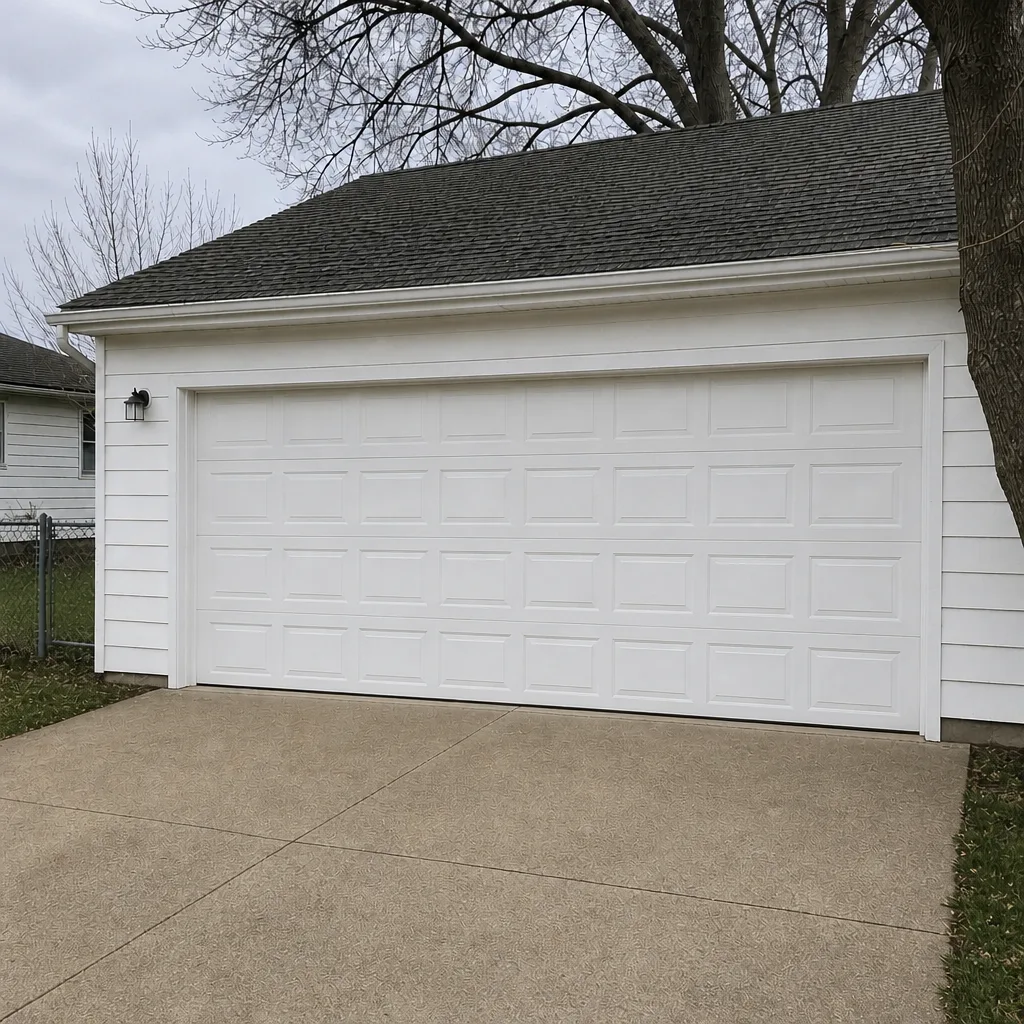
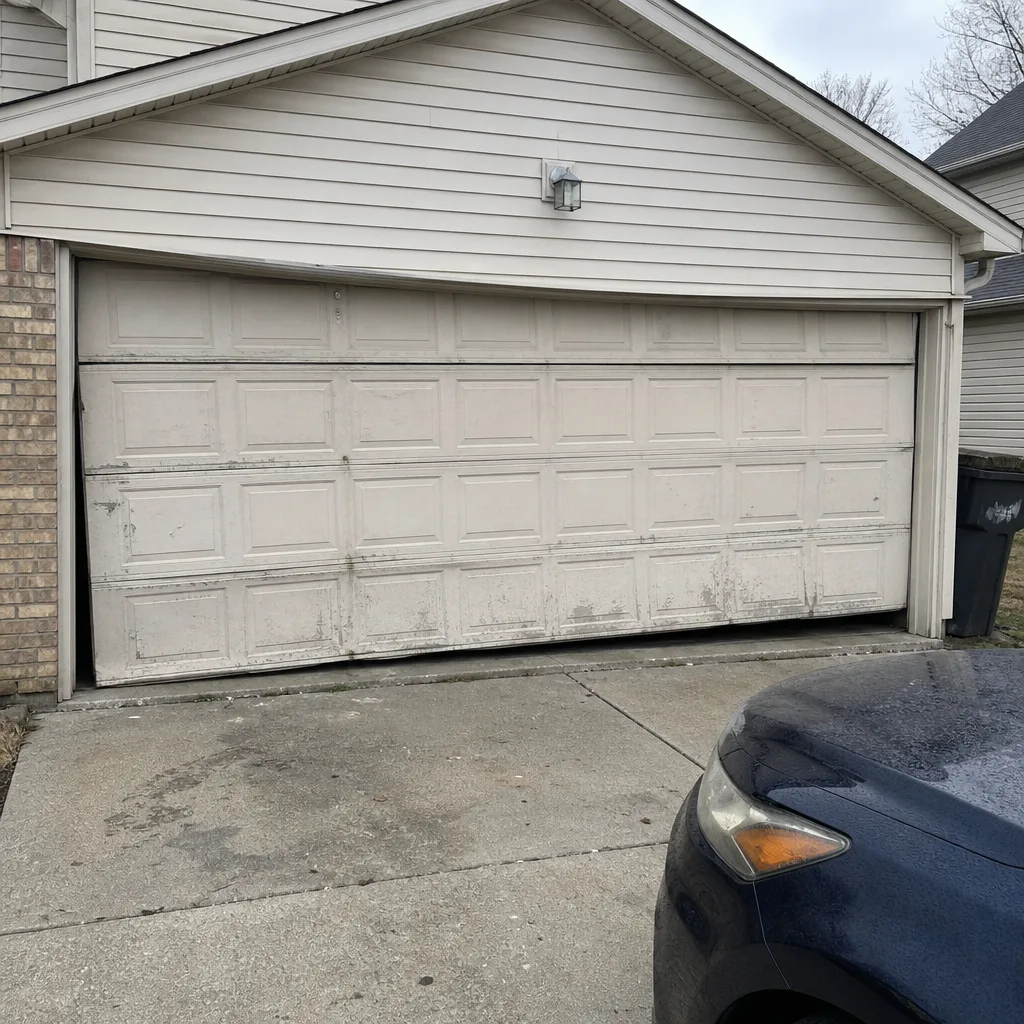
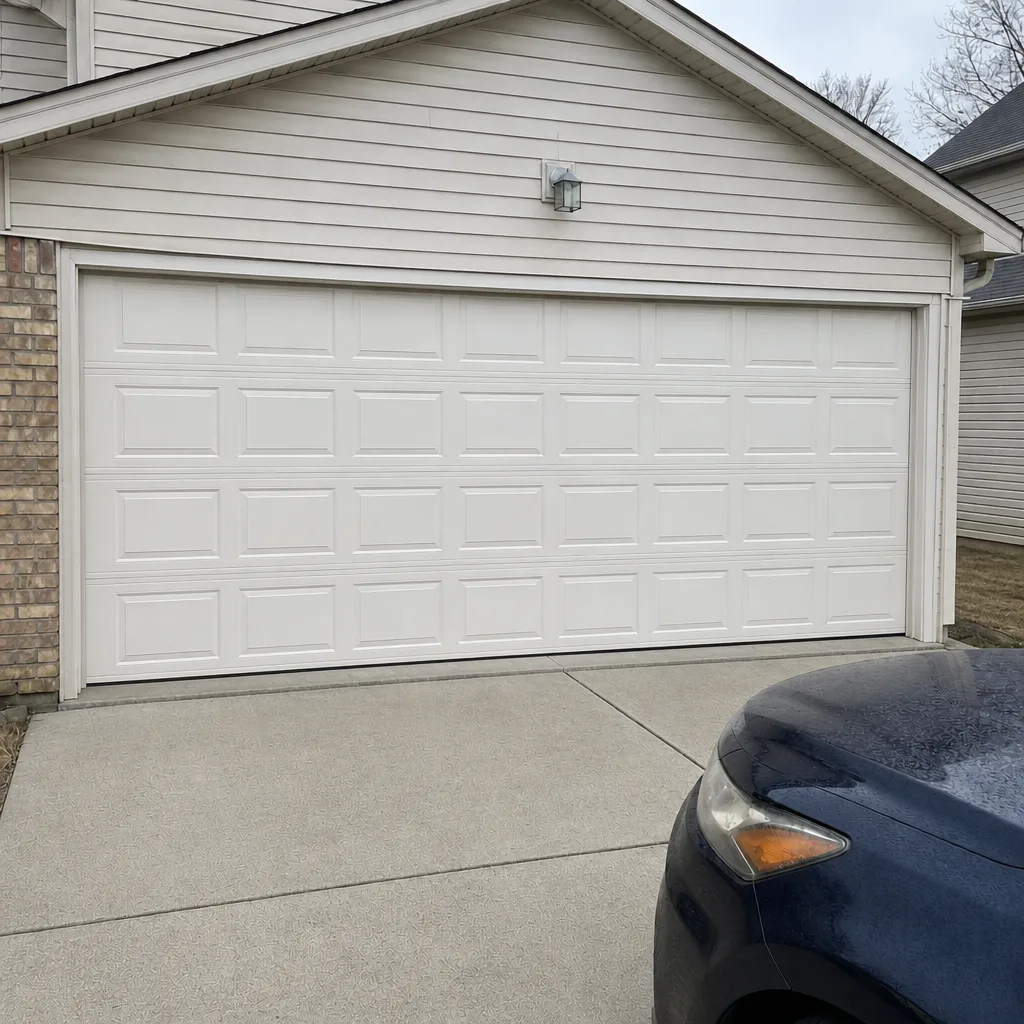
See the difference
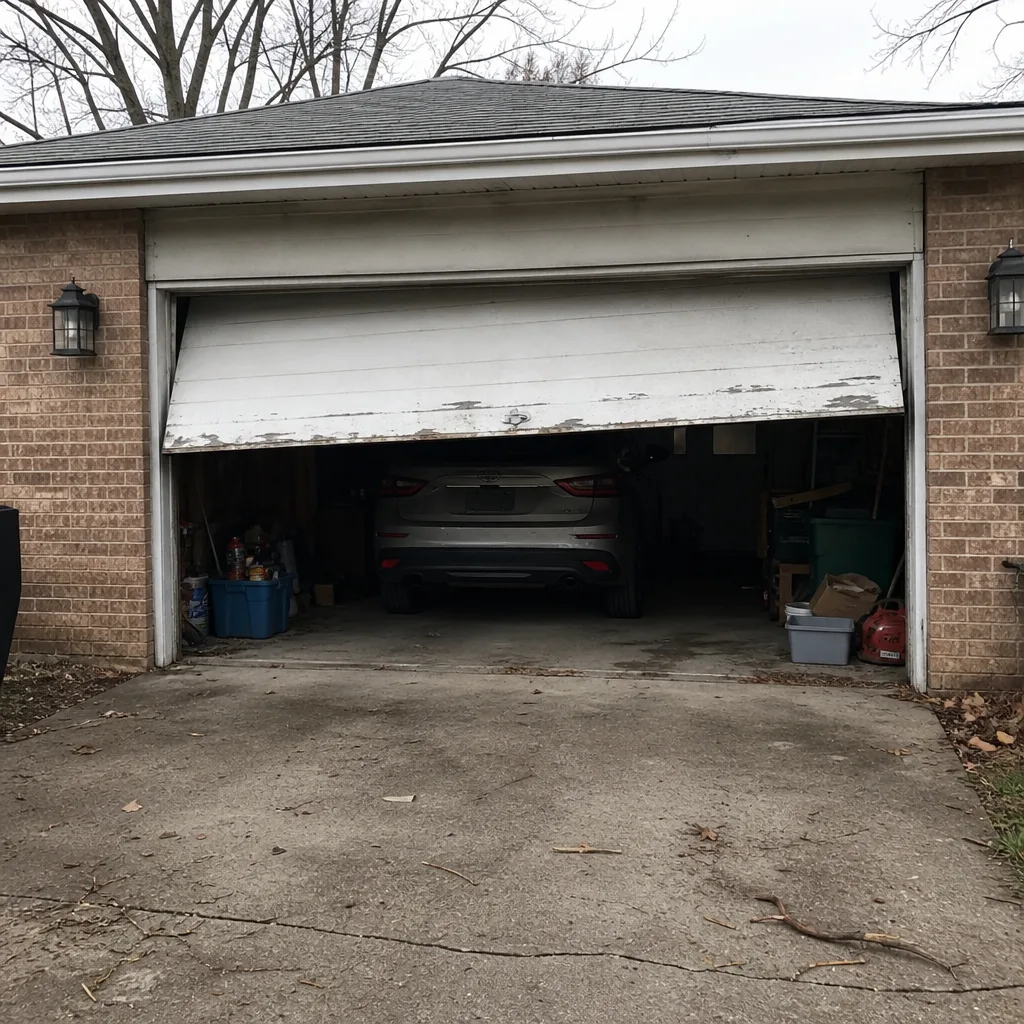 Before
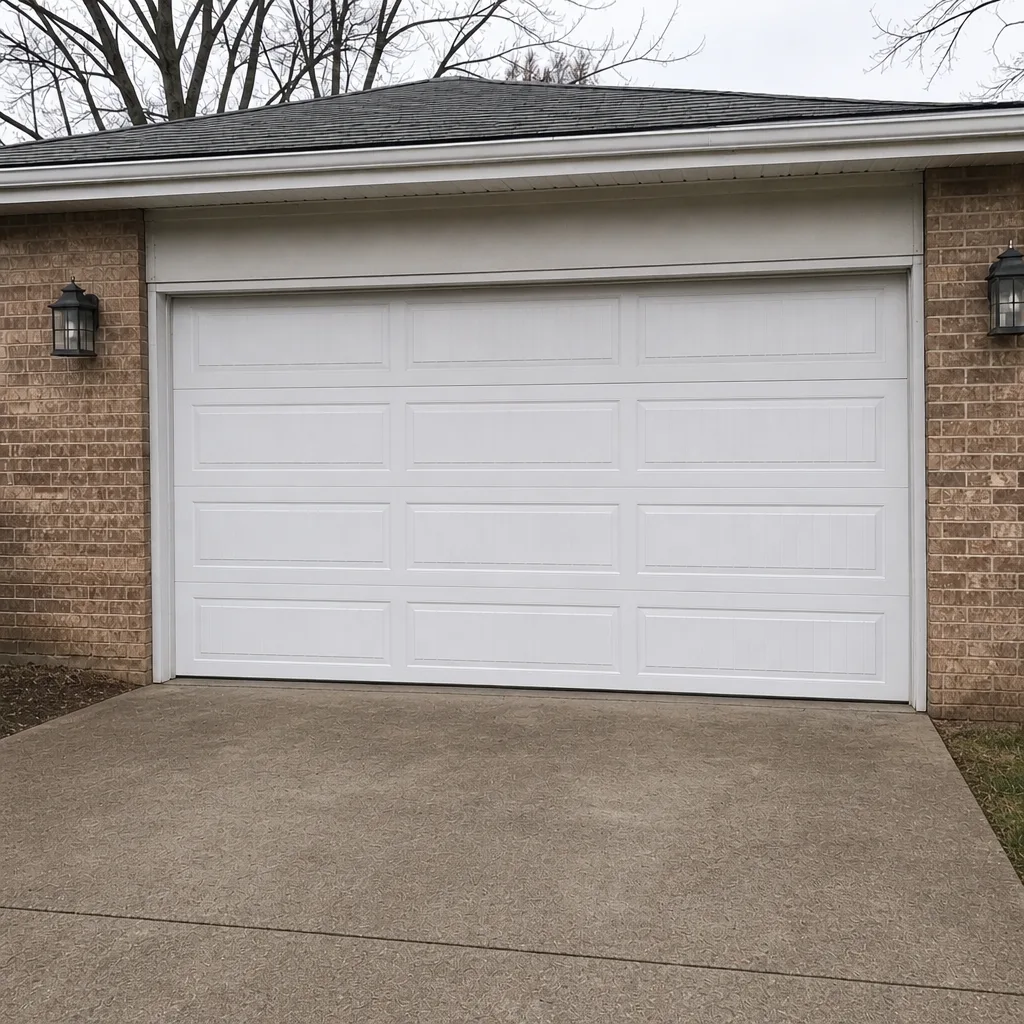 After
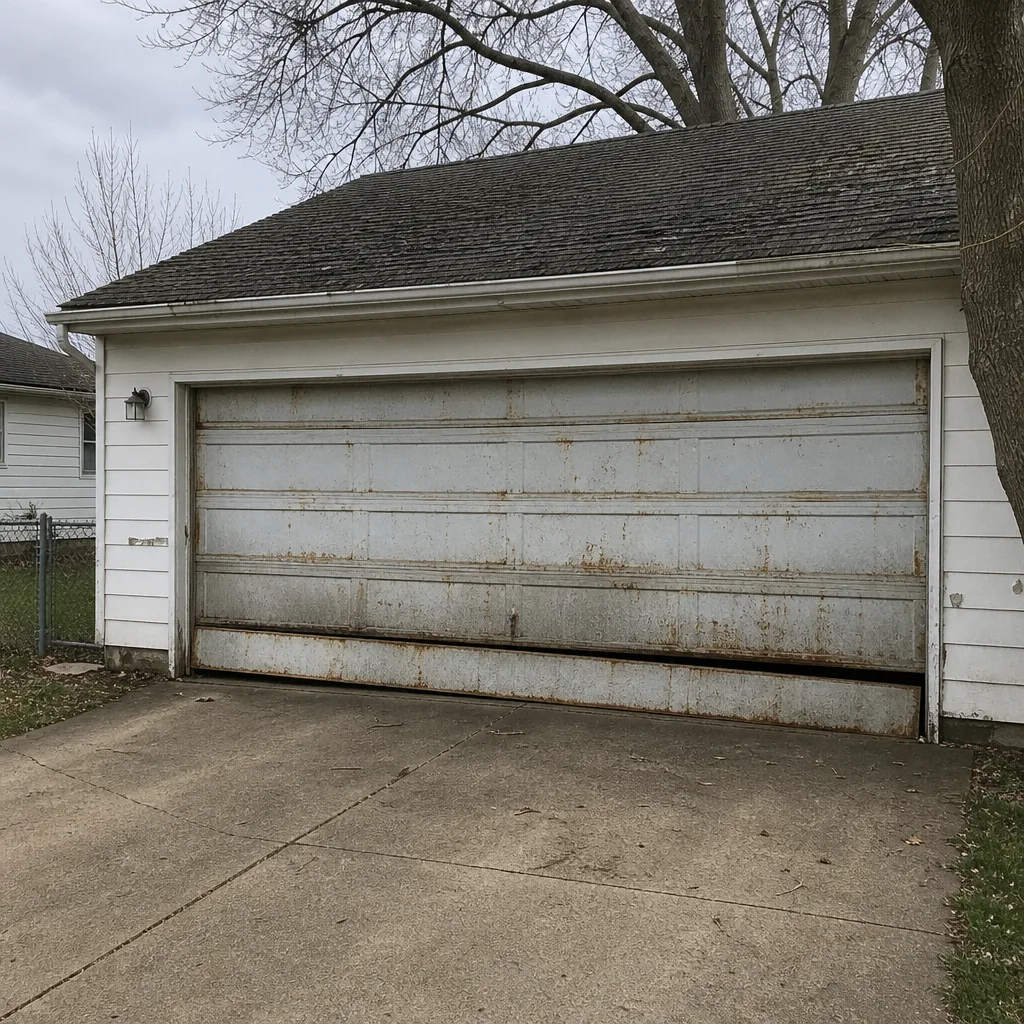 Before
 After
 Before
 After
When to Call a Professional
Call a professional for anything involving the torsion springs, the cables, the opener’s electrical work, or the attachment of the track and brackets to the framing. Those are the high-skill, high-risk parts of the job, and a mistake can injure someone or fail inspection. Also call when the door won’t reverse, when the sensors won’t align, or when the door is out of balance; each of those is a safety item, and each is straightforward for a specialist to get right. If your door is beyond repair and you’re considering a replacement, the permit question, the HOA approval, and the installation all get worked through in the same conversation. Noblesville Garage Door Repair offers free estimates in Noblesville. Call (844) 747-6072. We answer 24/7. Fast dispatch from 7am to 7pm, Sunday through Friday. The price is quoted and agreed before any work starts, and the written estimate sets the final price.
Frequently Asked Questions
In most cases, yes. A full garage door replacement typically requires a building permit from the City of Noblesville, while a repair to the existing door usually does not. Call the Noblesville Building Department with your address and scope before ordering a door. That one call gives you a definitive answer.
Usually not in the way you’d expect. The permit is typically issued for the door installation itself. The opener may require a separate consideration or be covered under the same permit depending on scope, so confirm with the building department. If the opener adds new electrical service, that generally falls under separate electrical permitting rules. Ask during the application.
The buyer’s inspection report typically flags the unpermitted work, and the seller is then asked to arrange a retroactive inspection before closing. Indiana’s seller disclosure requirements mean known issues have to be disclosed, so unpermitted work is a closing delay at best. Getting the permit at the time avoids the whole problem. Call (844) 747-6072 for an estimate on repair or installation.
Not automatically, but it can complicate a claim. The insurer may review the installation for code compliance before paying a claim tied to the door. When the work can’t be shown as permitted and inspected, the claim can face delays or partial denial. The fix is to keep the permit and the inspection card with your home records. Call (844) 747-6072 with any questions.
The edition adopted by the city at the time of your permit. Noblesville’s building department is the source for which edition is currently in force. Ask when you apply, and ask which IRC and IBC sections the inspection will cover for your scope. Our technicians have up to 9 years of experience, and we’re glad to walk through the inspection points beforehand so nothing is a surprise.
Yes, in many Noblesville subdivisions. The HOA architectural committee typically controls the appearance of the door, and that’s separate from the city permit process. Submit the HOA request for the specific door model in advance, and keep the written approval. Then file the city permit. Call (844) 747-6072 for an estimate and we’ll work through the sequence with you.
The Bottom Line
The permit question has a short answer and a longer one. The short answer: replacing a garage door in Noblesville usually needs a permit; repairing one usually doesn’t. The longer answer is that the city and the HOA are separate approval layers, code sections vary by edition, and the paperwork is cheaper than the closing delay that comes from skipping it. When you’re ready to move forward, call (844) 747-6072. We answer 24/7. Fast dispatch from 7am to 7pm, Sunday through Friday. Estimates are free, and the price is quoted and agreed before any work starts.
Written by the team at Noblesville Garage Door Repair.