
Last updated November 21, 2026
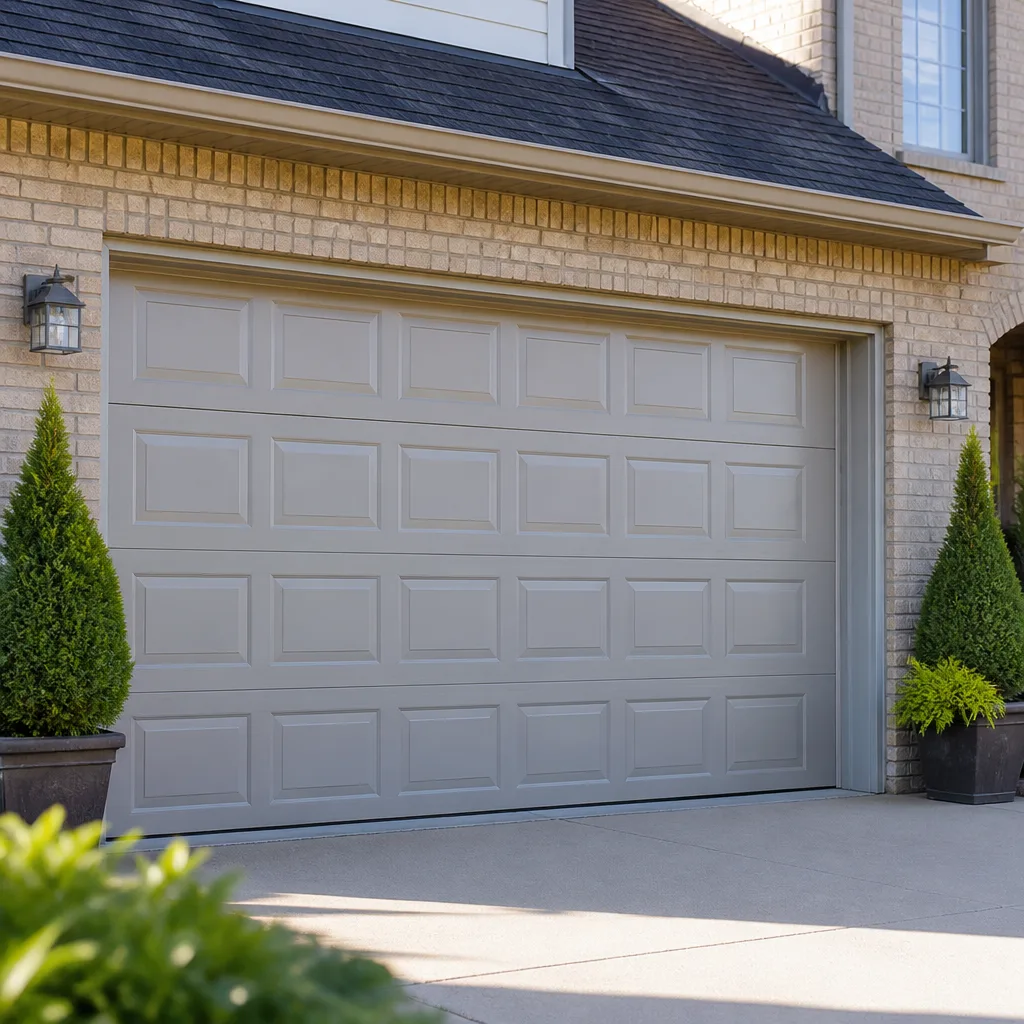 Raised-panel steel
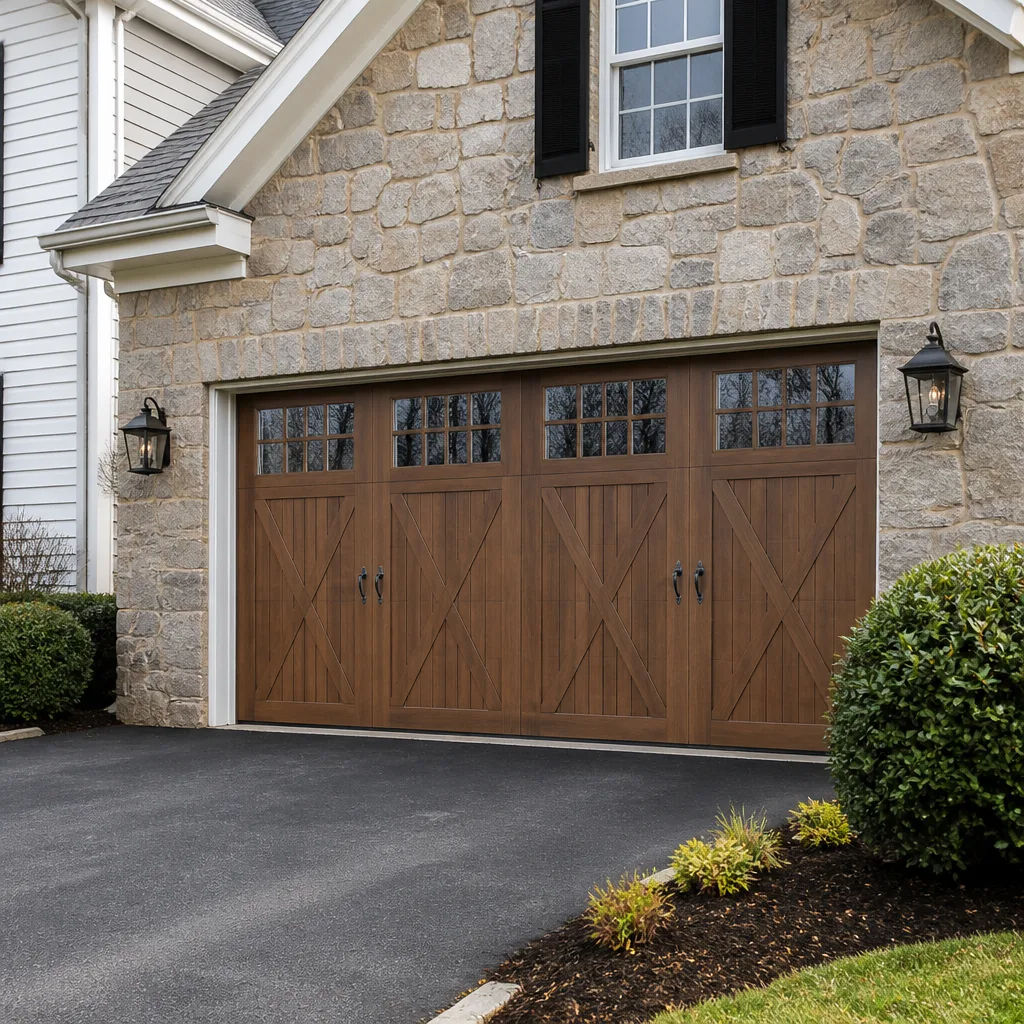 Carriage house
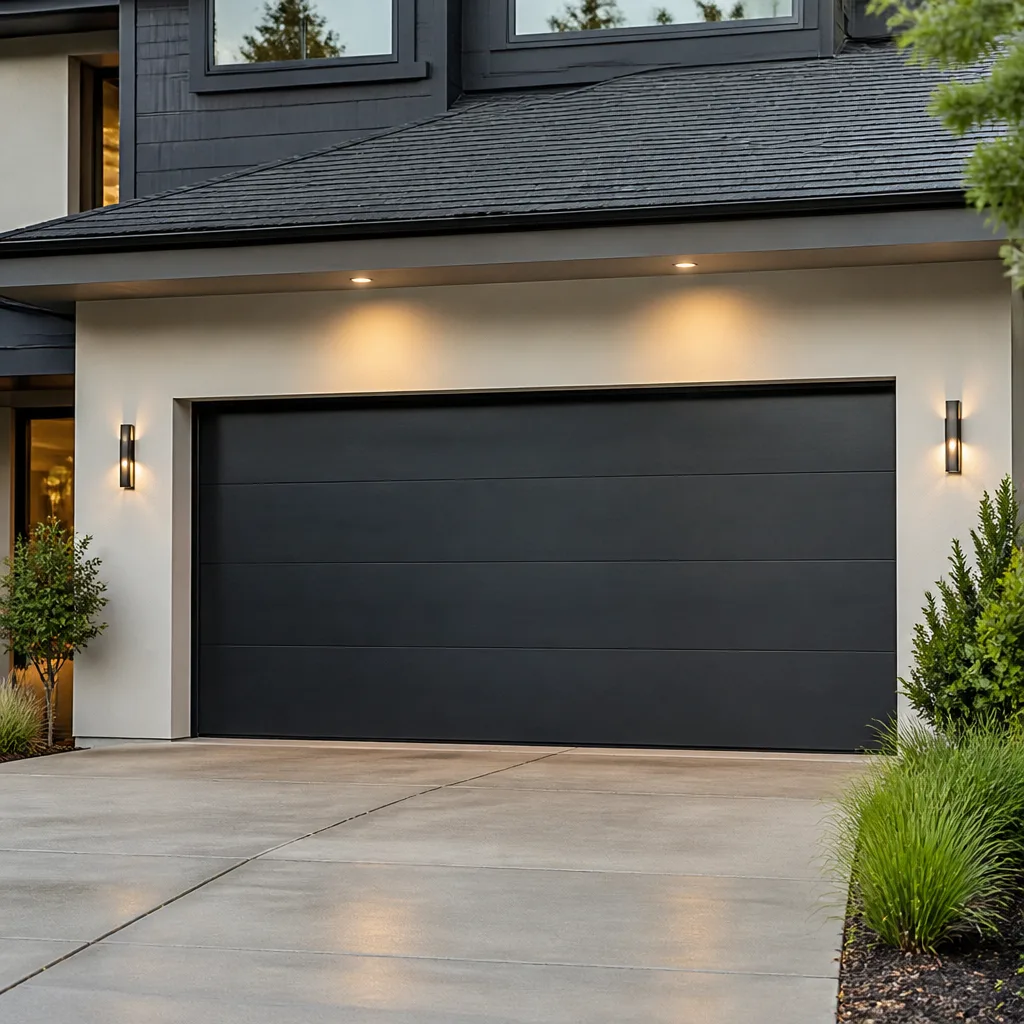 Modern flush
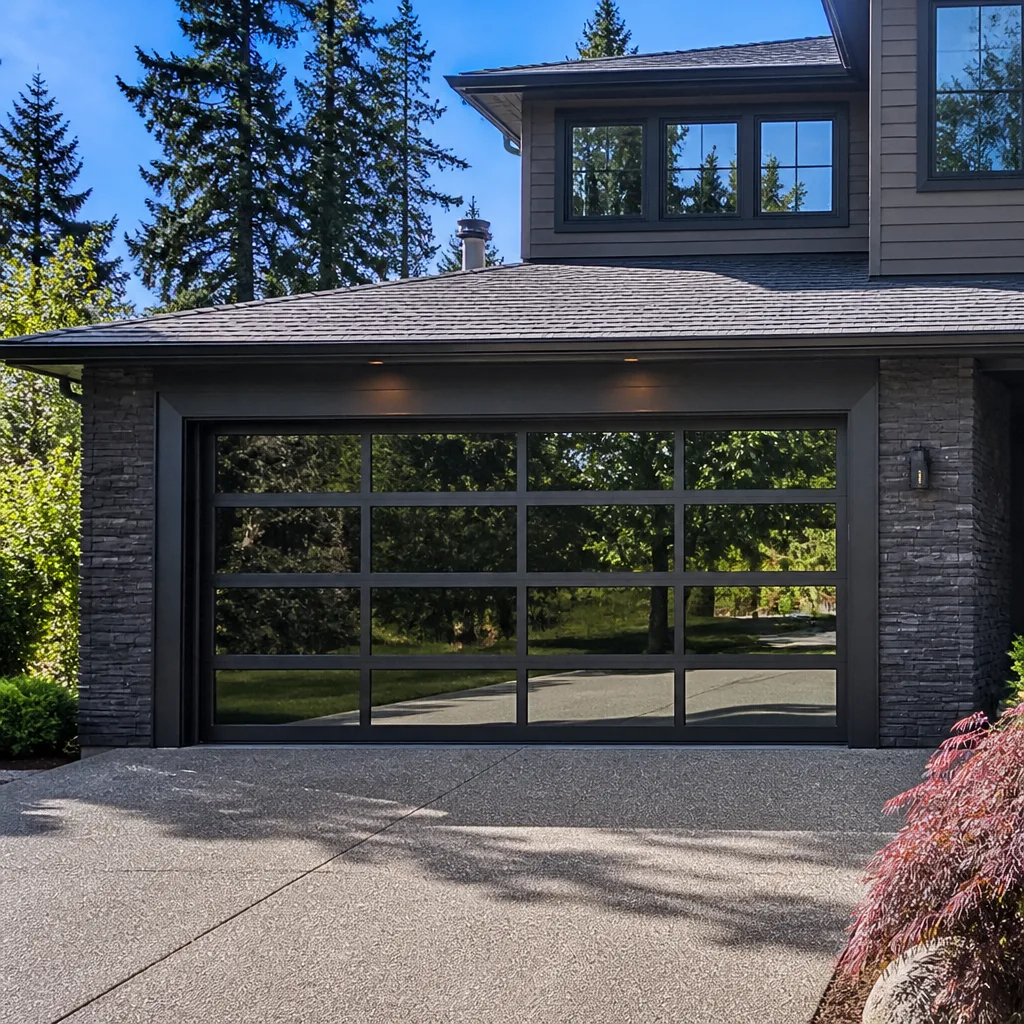 Full-view glass
 LiftMaster openers
 Chamberlain openers
Full 25-point door and opener safety check with every visit - springs, cables, rollers, tracks, and your LiftMaster or Chamberlain opener included
You get a price before we start. It does not change when the pro arrives.
Get your free estimateGarage Door Warning Signs: A Noblesville Homeowner’s Reference Guide
A garage door that hesitates for one second before closing isn’t quirky. It’s an opener working at overcapacity, usually because a spring has partially lost its lift and the motor is straining to cover the difference. Left alone, that strain cooks the opener’s gear and capacitor, and a $200 spring repair turns into a spring plus opener replacement. The same pattern repeats with cables, rollers, and panels: the failure is loud and sudden, but the warning signs were there for weeks. In this guide we’ll connect the symptoms you can hear and see to the specific component that’s degrading, so you know what to watch for and when to stop using the door. Noblesville homes deal with their own mix of humidity swings and heavy daily cycles, and the wear patterns here are specific.
Quick Answer
Garage door warning signs that matter most are a door that hesitates or reverses on its own, a loud bang followed by a door that won’t lift, visible gaps in the spring above the door, cables that hang loose or off the drum, and grinding or popping sounds during travel. Signs like these mean a spring, cable, or opener is already failing. If you hear a bang or see a hanging cable, stop using the door and call a professional; the spring and cable system is under extreme tension and is not a DIY repair.
Styles & brands we work with
- Raised-panel steel
- Carriage house
- Modern flush
- Full-view glass
- LiftMaster openers
- Chamberlain openers
Table of Contents
- Audio Diagnostic: What Grinding, Popping, and Squealing Actually Mean
- Visual Signs Most Homeowners Walk Right Past
- Behavioral Signals From the Opener Itself
- This Week vs. Right Now: Sorting the Warning Signs
- How to Photograph and Document Symptoms Before We Arrive
- Why Noblesville Doors Wear the Way They Do
- Brand-Specific Watch Points: Clopay, Amarr, Wayne Dalton, Craftsman
- Common Mistakes to Avoid
- When to Call a Professional
- Frequently Asked Questions
Audio Diagnostic: What Grinding, Popping, and Squealing Actually Mean
Sound is the earliest diagnostic tool you have, and each noise points at a different component. Most homeowners hear something odd and wait for it to get worse. If you can name the sound, you can usually name the part that’s failing before it breaks.
Grinding
A grinding sound during travel usually means metal-on-metal contact where there should be smooth movement. Common culprits are worn nylon rollers that have lost their bearing surface, dry hinges, or a bent track forcing the rollers against the rail. On a Craftsman opener with an older chain drive, grinding can also come from the chain running dry or a sprocket that’s worn unevenly. Grinding rarely means an immediate emergency. It does mean the door is wearing faster every time it moves.
Popping
A single sharp pop at the start or end of travel often points to a torsion spring that’s slipping on its shaft or a cable jumping its drum. Popping that repeats through the whole cycle is more likely a roller binding in a track that’s out of alignment. Popping is on the “schedule this week” list, not the “keep using it” list. If it’s accompanied by the door lurching, stop and call.
Rattling
Rattling is usually loose hardware: hinge bolts, roller stems, or the bolts holding the door panels to the stiles. It’s the least urgent sound on this list, but rattling that develops suddenly after a period of quiet operation can mean a fastener has worked loose and the panel is starting to shift. On heavier Clopay or Amarr doors, a loose bottom bracket or hinge puts extra load on the opener.
Squealing
High-pitched squealing is nearly always a lubrication or bearing issue. Rollers with dry bearings, torsion springs that need a proper lubricant, or an opener’s trolley that’s running dry. Squealing is easy to fix early and toxic to ignore, because dry metal wears away the part it’s supposed to protect. It’s also the sound most often masked by a noisy street or a running car, so it pays to listen on a quiet morning.
- Grinding – rollers, hinges, chain, or a bent track
- Popping – torsion spring slipping, cable jumping the drum, or a binding roller
- Rattling – loose hinges, bolts, or panel fasteners
- Squealing – dry bearings, dry torsion springs, worn trolley
- Loud bang from the ceiling – broken torsion spring; stop use immediately
Visual Signs Most Homeowners Walk Right Past
You walk past your garage door dozens of times a week without looking at it. These are the signs worth a deliberate check, ideally once a season, standing back from the door with the opener off.
Spring Gap
If you have a torsion spring (mounted on a bar above the door), look for a visible gap in the coil. A spring that’s snapped cleanly will usually show a two-inch gap where the halves have separated. Do not touch it, and do not try to measure it with your hand. Extension springs, which run along the tracks on either side, may show stretched or deformed coils or a loose safety cable. Either way, a compromised spring means the door is being held up by the opener alone, and the opener will not do that for long.
Cable Positioning
The lift cables run from the bottom corners of the door up to the drums at the top. They should sit tight and straight in a clean line. A cable that looks slack, is off its drum, or is frayed at the bottom bracket is a stop-and-call sign. A snapped cable can whip, and the door can drop unevenly onto whatever is below it. That includes a person or a car.
Roller Wobble
With the door closed, look at the rollers in the tracks. They should sit fairly snug. A roller that wobbles visibly in its stem, or a stem that’s bent, means the roller is failing and the door is dragging instead of rolling. Wobble is cheap to fix; a bent track from a locked-up roller is not.
Panel Bow and Hinge Wear
Stand across the street from your Noblesville home and look at the door straight on. Panels should be flat and the horizontal lines should run level. A bowed panel means the frame is out of square or a hinge has pulled loose. Look closely at the hinges, too: worn holes where the roller stem sits are a sign the door is cycling harder than it should. Bowed panels on a two-car door usually point back to a spring that’s lost some of its lift.
Behavioral Signals From the Opener Itself
Your opener is telling you things every time you press the remote. The question is whether you’re reading them. On the LiftMaster and Chamberlain units we work on across Noblesville, most early warnings show up here before anything goes visibly wrong with the door itself. If you notice any of these patterns, it’s a good time to book garage door opener repair.
Hesitation Before Travel
The opener should respond to a remote press within a fraction of a second. If it pauses, grunts, or lurches before the door starts moving, the opener is compensating for extra weight. On a door with a partially failed spring, that compensation happens every cycle, and the motor’s gear and capacitor take the beating. Hesitation is the single most overlooked sign in this guide.
Reversal Without Obstruction
If the door starts to close and reverses before it touches anything, the safety system is triggering. Sometimes that’s the photo-eye alignment; sometimes it’s the opener’s force setting set too light. But it can also mean the door is binding in one spot, and the opener is reading the resistance as an obstruction. If a reset of the photo-eyes doesn’t clear it, the door needs a physical inspection.
Remote Lag and Short Range
A remote that used to work from the driveway and now only works from ten feet away is usually a battery, an antenna, or interference. On a Wayne Dalton or Amarr door with a legacy opener, it can also be a sign the receiver board is failing. Try a fresh battery first. If the range stays short, the opener is the next thing to check.
One-Button Failures
If the wall button works but the remote doesn’t, that’s a matching issue. If the remote works but the wall button doesn’t, that’s wiring or the button itself. If neither works but the opener lights up, the logic board is suspect. Each of these points to a different fix, and knowing which one you have saves a lot of time on the first visit.
This Week vs. Right Now: Sorting the Warning Signs
Not every warning sign is an emergency, and calling in a panic over a squeaky roller doesn’t help anyone. What matters is sorting signs into two piles: those that can wait for a scheduled visit, and those that mean the door should not move until a technician has seen it.
Schedule Service This Week
- Grinding or squealing during travel
- Rattling from loose hardware
- Roller wobble or visibly worn rollers
- Remote range that’s dropped
- A door that hesitates slightly but still completes both cycles
- Cosmetic panel bow that isn’t affecting travel
Stop Using the Door and Call Now
- Loud bang from the spring bar above the door
- A visible gap in the torsion spring
- Door will not lift, or lifts crooked
- Cable hanging loose, frayed, or off the drum
- Door reverses on its own and won’t close
- Door has come off one track
- Any moment where the door dropped unexpectedly
The distinction matters because a spring under tension that’s already snapped is a hazard every time you touch the door. If you’re in the “stop now” list, then Noblesville Garage Door Repair is the call for same-day or emergency response. If you’re in the “this week” list, book a scheduled visit and ask us to look at the whole system while we’re there. If you’re unsure which pile you’re in, call and describe the symptom. Call (844) 747-6072. We answer 24/7. Fast dispatch from 7am to 7pm, Sunday through Friday.
How to Photograph and Document Symptoms Before We Arrive
Good documentation speeds up the diagnosis and prevents any disagreement about what was wrong when the technician walks in. It’s also the difference between a one-visit fix and a return trip for a part we didn’t know we needed. Here’s how to document your door before we arrive:
- Take a wide shot of the whole door, closed. This gives us the panel layout, the door style, and any visible bowing from a straight-on angle.
- Photograph the spring bar above the door. Torsion springs live on the shaft above the door. A clear photo of the coil, from a safe distance on the ground, shows any gap or deformation. Never reach up to touch or reposition a spring.
- Photograph the cable on both sides. Get the bottom corner where the cable enters the bracket, and the top where it meets the drum. Both matter.
- Record the sound. Use your phone’s voice recorder and film a full open-close cycle from a few feet back. A 20-second video of the door in motion is worth ten descriptions of a noise.
- Note when it happens. Does it happen on opening, closing, or both? At the very start of travel, mid-cycle, or at the end? Write it down.
- Note the opener brand and model. The label is on the back of the motor housing or under the light cover. This tells us which replacement parts to bring.
- Note any recent changes. New paint on the door, a storm, a hit to the bottom panel, or a power outage all matter for diagnosis.
Having the photos and the video on hand means we can often tell before we arrive whether the visit is a spring job or an opener job, and whether we’ll need specific parts for your brand. It also means that when we test the door ourselves, we’re cross-checking against your observed symptom, not starting from zero.
Why Noblesville Doors Wear the Way They Do
Noblesville sits in a part of central Indiana with wide humidity swings between summer and winter, and that cycle puts real stress on garage door hardware. Spring steel expands and contracts with the temperature. Wood and steel panels swell and shrink. Roller bearings that stay lubricated in a dry climate will dry out faster where the air is often damp. None of this is unique to one house, but it does shape what we see during a typical service visit around town.
Humidity and the Hardware
Summers here run humid and winters run cold and dry. That cycle works on every moving part on the door. Hinges seize, rollers start to squeal, and torsion springs that were already near end of life can pick the hottest week of the year to fail. If your door is more than about seven or eight years old, the sounds it makes in July are worth listening to closely. If you’re hearing anything from the door during the summer, that’s a good signal to schedule garage door repair before the cooler months set in.
Heavy Daily Cycles
In a lot of Noblesville homes, the garage is the primary entry point. That means the door cycles four, six, sometimes eight times a day. A spring rated for 10,000 cycles can hit that in under four years of heavy use. The warning signs in this guide show up faster on a door that runs often, and they matter more because a failure at 6 a.m. on a workday is a much worse morning than it needs to be. Neighborhoods like Deerfield, Noble Creek, and the older streets near the downtown square all tend to see this pattern, because the garage is the door the family actually uses.
Storm Season
Central Indiana gets its share of spring and summer storms with wind strong enough to bow a panel or torque the door on its tracks. Hail isn’t a common concern here, but wind-blown debris and sudden gusts are. After a heavy storm, walk out and look at the door from a distance before you run it. A bent panel or twisted track from wind is much easier to fix on day one than after a week of the opener trying to force the door past the damage.
Newer Subdivisions and Older Homes
Newer construction around Noblesville often comes with builder-grade openers and doors. These are perfectly serviceable but not built for the cycle count of a family that relies on the garage as the main entry. Older homes in the older parts of town can have doors that haven’t been serviced in a decade or more, where a full inspection of springs, cables, and rollers is the first thing worth doing. Either way, the warning signs are the same. What changes is the pace at which they show up.
Brand-Specific Watch Points: Clopay, Amarr, Wayne Dalton, Craftsman
Most warning signs are universal, but a handful of brand-specific tendencies are worth knowing about. We work on Clopay, Amarr, Wayne Dalton, and Craftsman systems, along with LiftMaster, Chamberlain, Genie, and Raynor. Knowing which brand is on your door helps us bring the right parts the first time.
Clopay
Clopay doors are common on Noblesville homes, and their steel and insulated panel construction is solid. What we watch for on Clopay doors is hinge wear on the heavier panels, and bottom-bracket looseness after a few seasons of heavy cycling. A Clopay door that starts rattling usually has a loose hinge or fastener rather than a structural problem. Catching it early keeps the panel flat.
Amarr
Amarr makes a range of doors from basic steel to insulated carriage-house styles. On the heavier insulated Amarr doors, spring sizing matters more: a door that’s under-sprung will strain the opener every cycle and show up as hesitation before travel. If your Amarr door has started to grunt before it lifts, that’s the sign to check.
Wayne Dalton
Wayne Dalton’s older doors use a proprietary torsion system on some models, and parts can be tricky to source unless the technician knows the line. We work on Wayne Dalton systems specifically, so we know which parts we need to bring. On Wayne Dalton openers, the wall console and photo-eye alignment are worth checking before anything else when the door behaves oddly.
Craftsman
Craftsman openers are everywhere on Noblesville doors, and they’re reliable when they’re healthy. The failure pattern we see most is a stripped drive gear after years of the opener compensating for a weakening spring. By the time the gear strips, the spring problem has usually been there for months. If your Craftsman opener sounds like it’s grinding before it lifts, have both the door and the opener checked, not just the opener.
When the door is at end of life rather than in need of a fix, the same documentation and diagnostics apply. Full garage door installation is available when the door’s panels, springs, and opener all need to go together, and a single company handling the diagnosis and the install means fewer hand-offs.
Common Mistakes to Avoid
- Ignoring hesitation. A door that pauses before it lifts is telling you a spring has lost its lift and the opener is compensating. Every cycle makes the strain worse, and the repair gets more expensive the longer it runs.
- Lubricating a broken spring. If a spring has a visible gap or has snapped, no amount of lubricant changes that. Stop using the door and call. Springs are under extreme tension and are dangerous to touch without the right training and tools.
- Adjusting the opener’s force setting upward. When a door gets heavy, cranking the force setting is the wrong fix. It masks a failing spring by pushing the opener harder, and it will burn out the motor or strip the gear. The door needs to be right, not the opener setting.
- Running the door with a loose cable. A cable that’s off its drum or frayed can snap. A door that drops unevenly can pull down a person or a car, and the damage is far worse than a spring repair. This is a stop-and-call sign.
- Skipping the visual check between seasons. A two-minute look at the spring, cables, and rollers in spring and again in fall should be part of every Noblesville homeowner’s routine. Most of the expensive repair jobs we see started with a sign that was visible for weeks.
- Calling a general handyman for a spring. Spring repair is a specific, high-skill job. Many handymen decline it or get it wrong. The result is often a repeat repair on a door that should have been fixed once. Call someone who works on springs daily.
- Not documenting the symptom. If the door only misbehaves in cold weather or under a specific cycle, the technician needs those notes. A photo and a 20-second video save the diagnostic time and simplify the fix.
When to Call a Professional
Call a professional immediately if you hear a loud bang from above the door, see a gap in the spring, find a cable hanging loose or frayed, or the door comes off a track. Those are “do not run the door” signs and they carry real injury risk. Schedule a professional visit if the door hesitates, reverses on its own, grinds, squeals, or shows a bowed panel or wobbling roller. Those are “this week” signs, and fixing them early prevents a bigger repair. If you’re unsure which category your symptom falls into, describe it to us on the phone and we’ll help you decide. Noblesville Garage Door Repair offers free estimates in Noblesville, and our technicians have up to 9 years of experience across the major brands. Call (844) 747-6072. We answer 24/7. Fast dispatch from 7am to 7pm, Sunday through Friday.
Frequently Asked Questions
A loud bang from the spring bar followed by a door that won’t lift is the most serious sign: it usually means the torsion spring has snapped. Stop using the door and call a professional. The spring is under extreme tension and cannot be safely handled without proper tools and training. Call (844) 747-6072 for same-day or emergency help.
Yes. A door that pauses before it closes is almost always an opener working harder than it should, and the usual cause is a spring that’s partially lost its lift. That hesitation is what wears out the opener’s gear and motor. It’s one of the most overlooked signs we see on Noblesville doors. Call (844) 747-6072 for an exact quote; estimates are free.
No. Turning up the force setting masks a failing spring by pushing the opener harder, and it will burn out the motor or strip the gear. The right fix is to correct the door’s balance, not to compensate at the opener. If your door is getting heavier, have it inspected before adjusting anything.
Every season, ideally, with a closer look before summer and before the first cold snap. Noblesville’s humidity swings put real stress on springs, cables, and rollers, and the wear shows up fastest on doors that cycle several times a day. A two-minute visual check plus a listen during operation catches most problems early. Call (844) 747-6072 to book a scheduled visit.
Your price is set by the written estimate, and every quote is free. The written estimate is the price you’ll be charged: it’s agreed before any work starts, so you won’t see a bigger invoice after the fact. If the diagnosis changes once the technician is there, that’s explained and re-quoted before any work continues.
The local pro who comes to your door is licensed and insured as Indiana requires, and we connect you with technicians who specialize in garage doors and openers. We work on LiftMaster, Chamberlain, Genie, Clopay, Amarr, Wayne Dalton, Craftsman, and Raynor systems specifically. Our technicians have up to 9 years of experience. Call (844) 747-6072 for an exact quote; estimates are free.
The Bottom Line
Most garage door failures don’t start suddenly. They start with a hesitation, a grind, a wobble, or a gap in the spring, weeks before the door stops working. The tenants of this guide are simple: listen to the door, look at the door once a season, and know the difference between “schedule this week” and “stop and call now.” A small fix, caught early, is almost always cheaper and quicker than a spring replacement, opener replacement, or a door that has to be installed from scratch. Noblesville homes put their doors through real cycles and real weather, and the signs are there if you know how to read them. When something sounds off, call (844) 747-6072 for a free estimate. We answer 24/7. Fast dispatch from 7am to 7pm, Sunday through Friday.
Written by the team at Noblesville Garage Door Repair.
See the difference
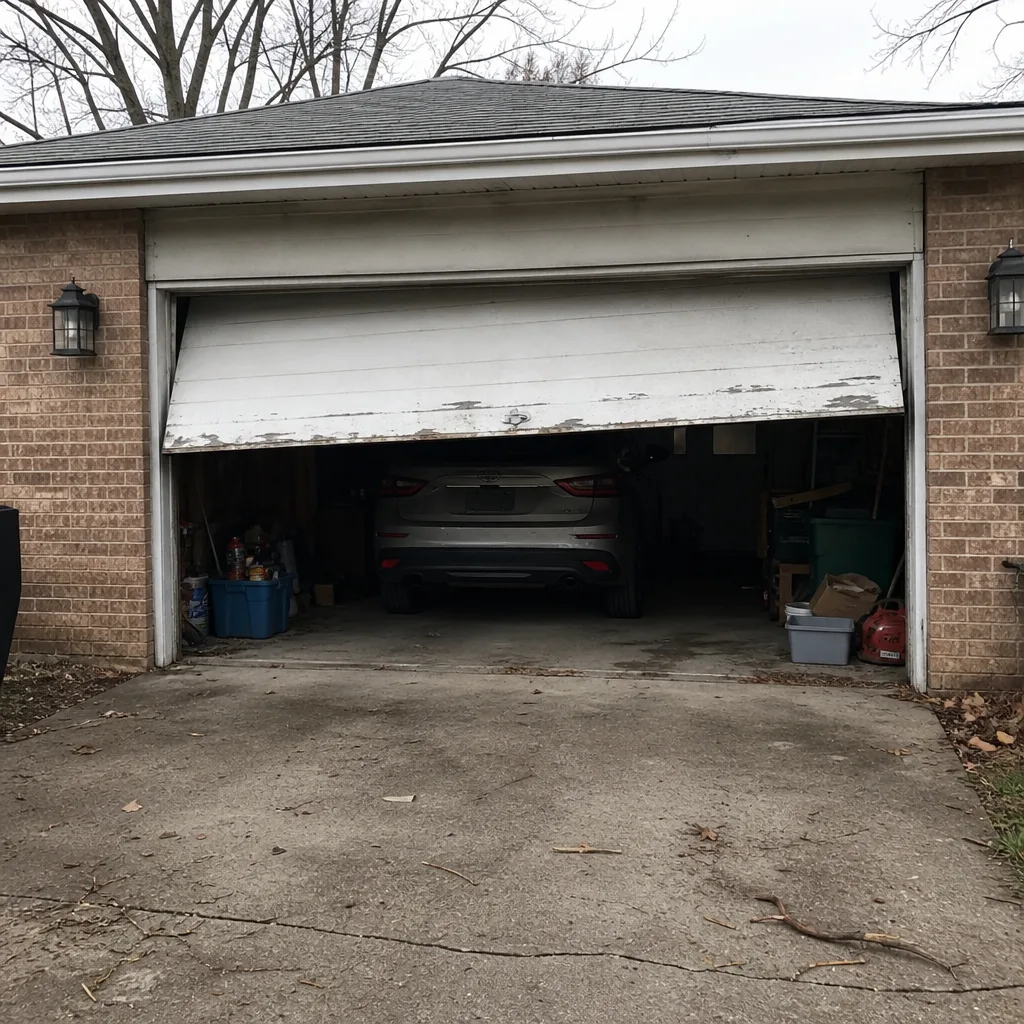 Before
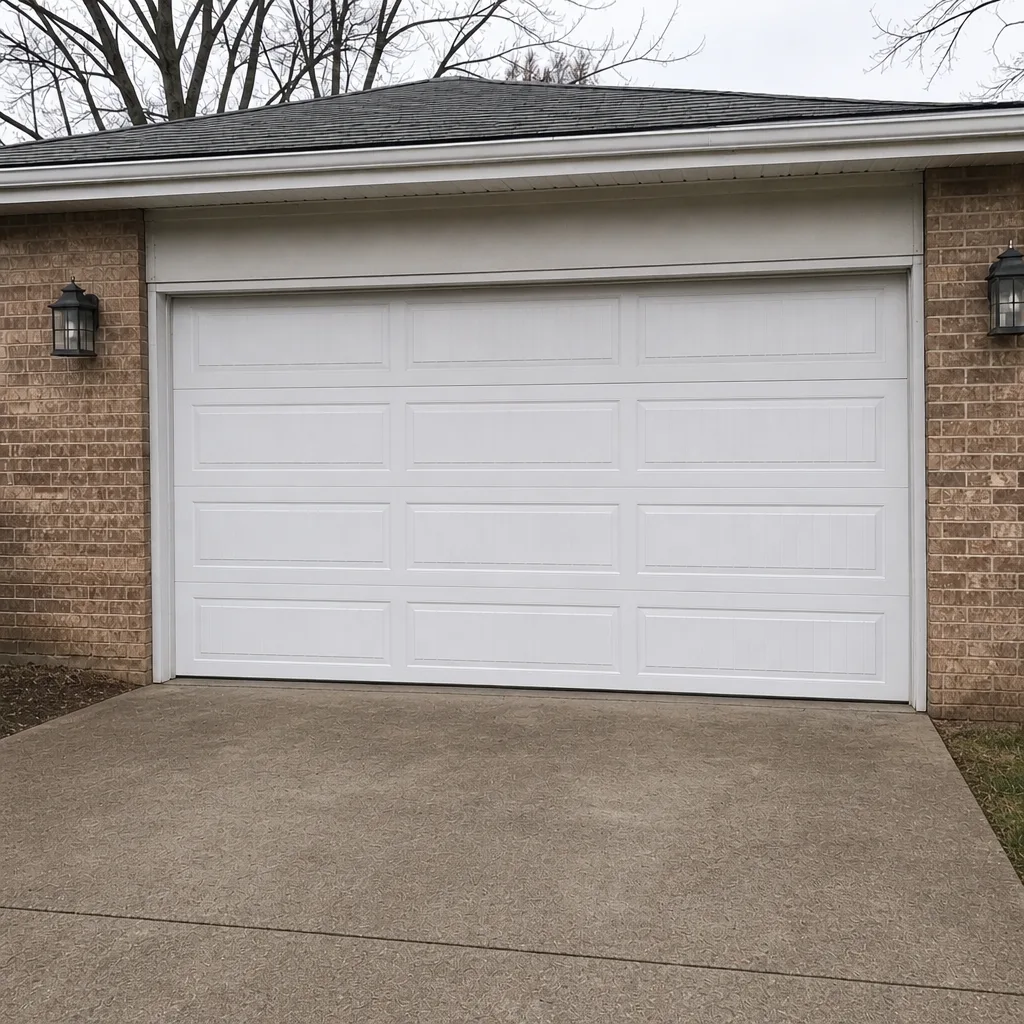 After
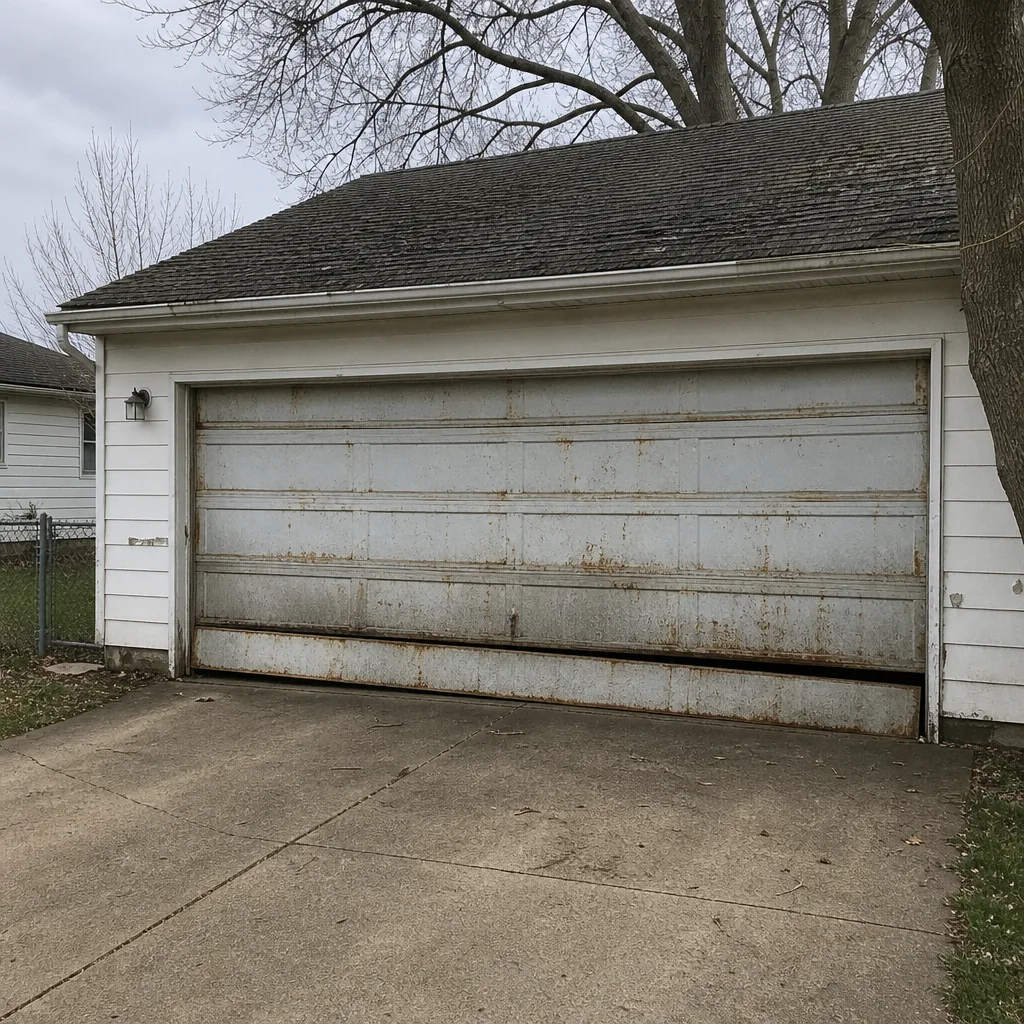 Before
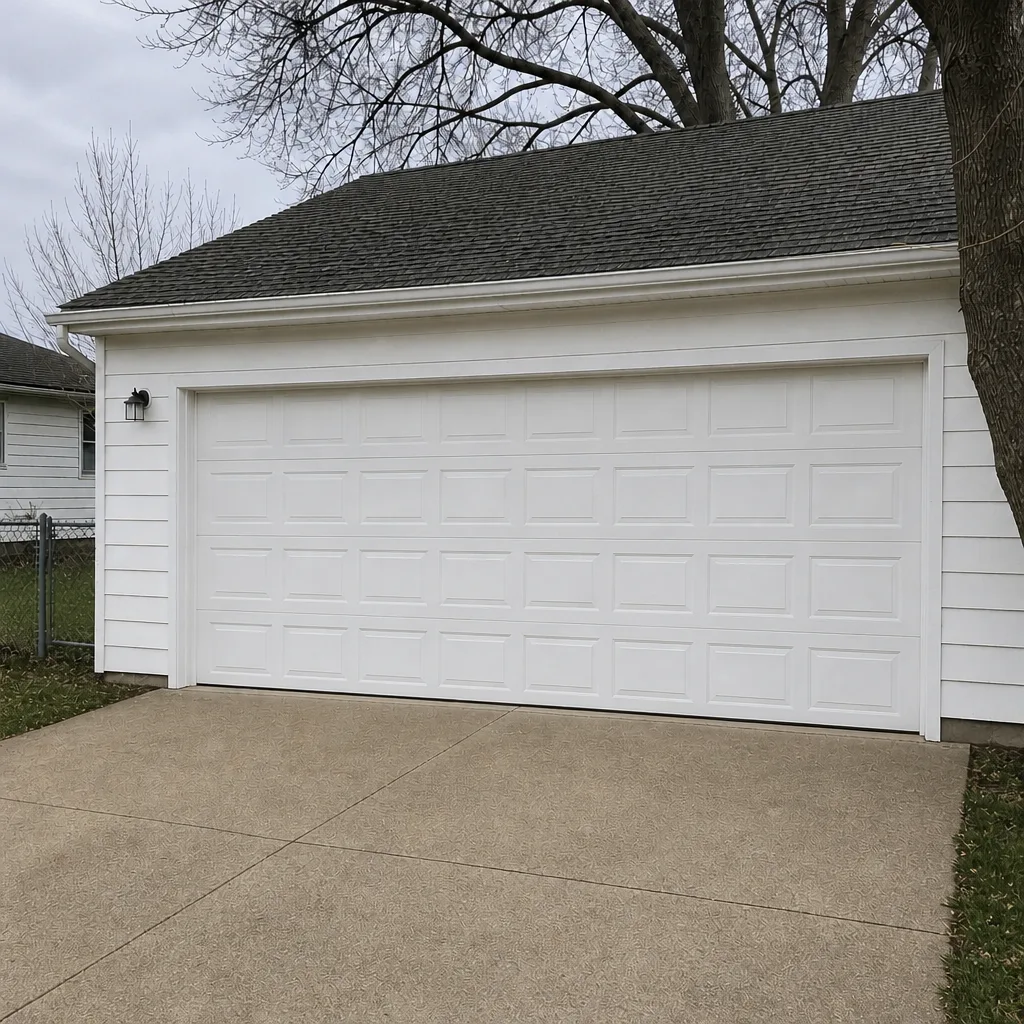 After
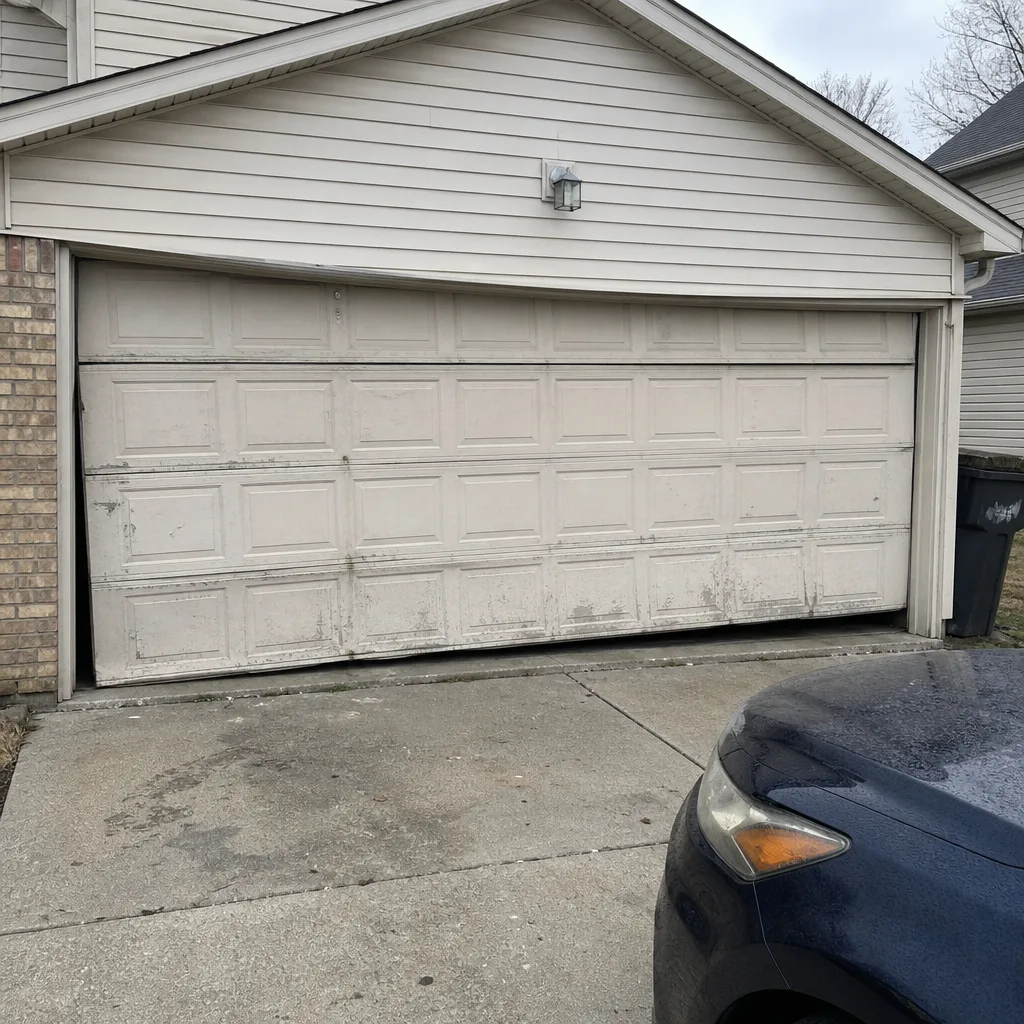 Before
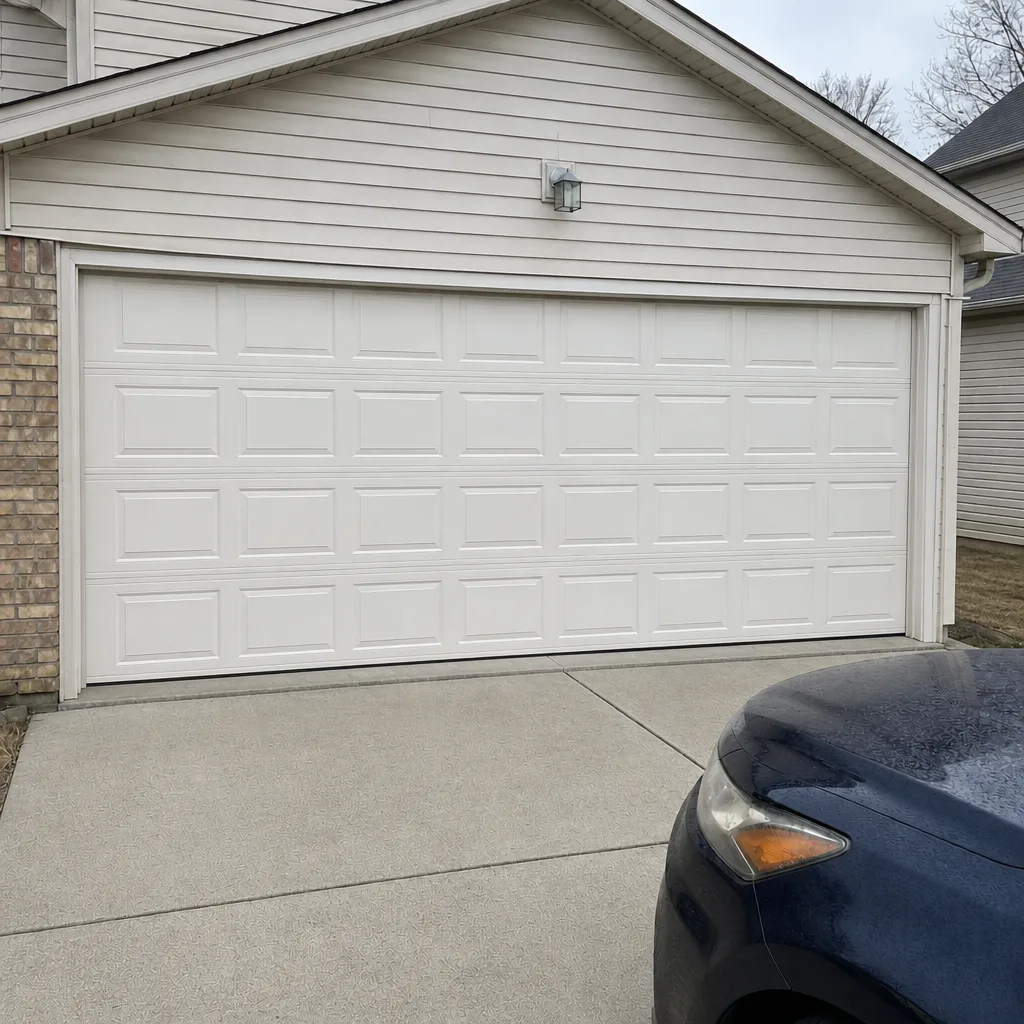 After