
Last updated November 21, 2026
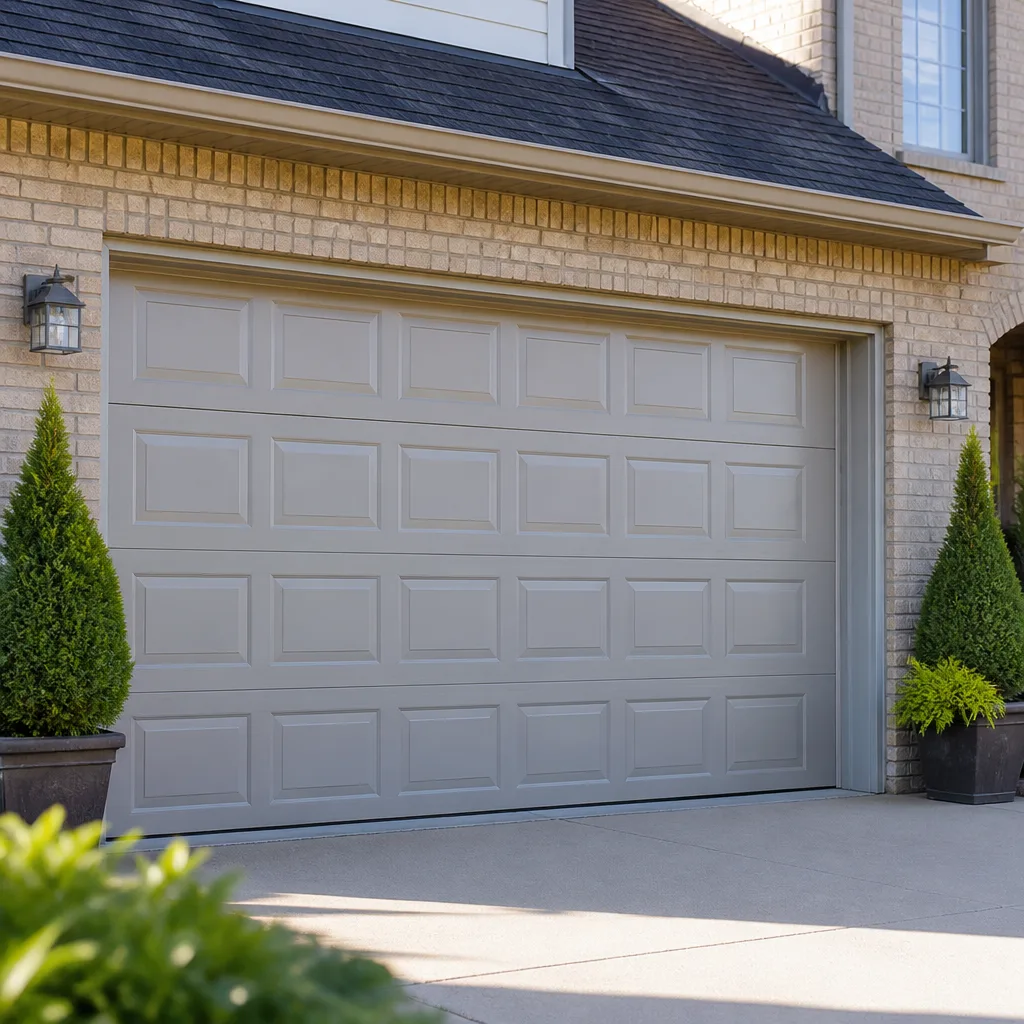 Raised-panel steel
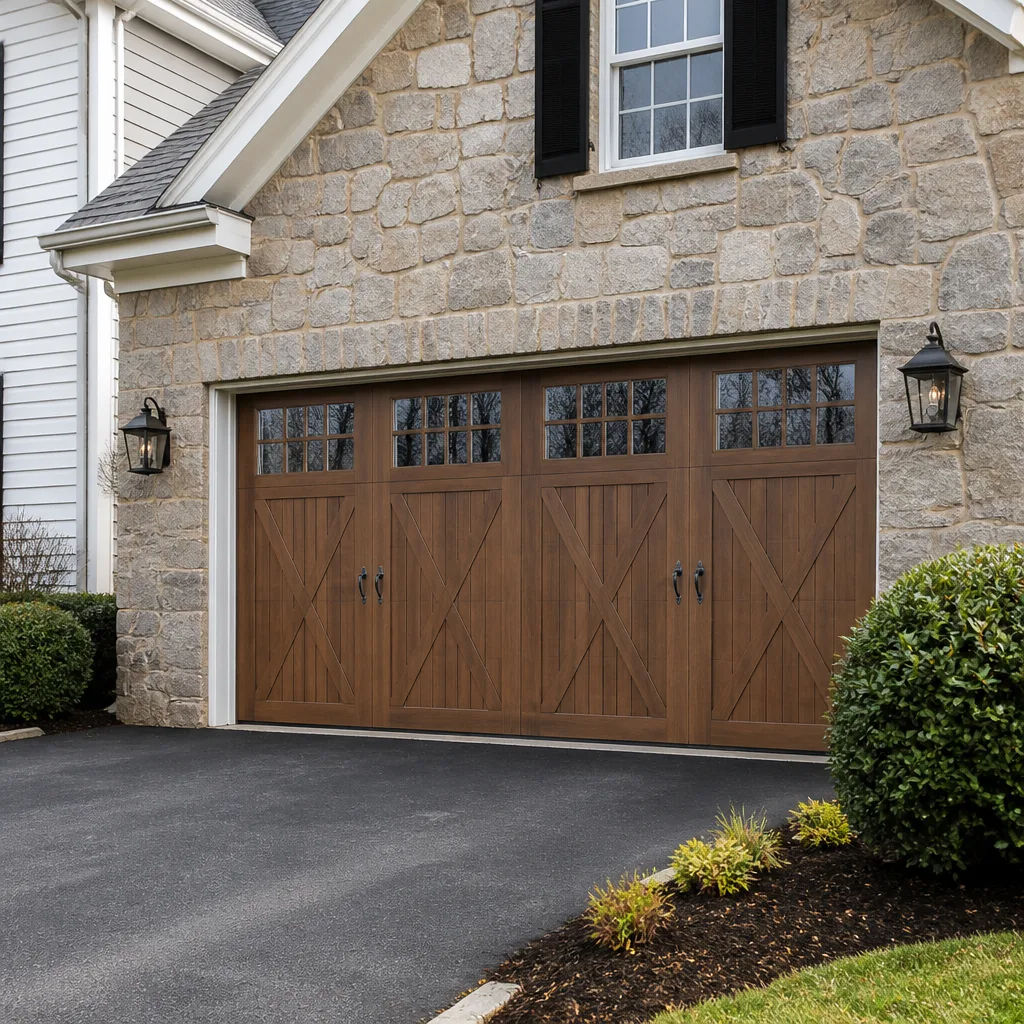 Carriage house
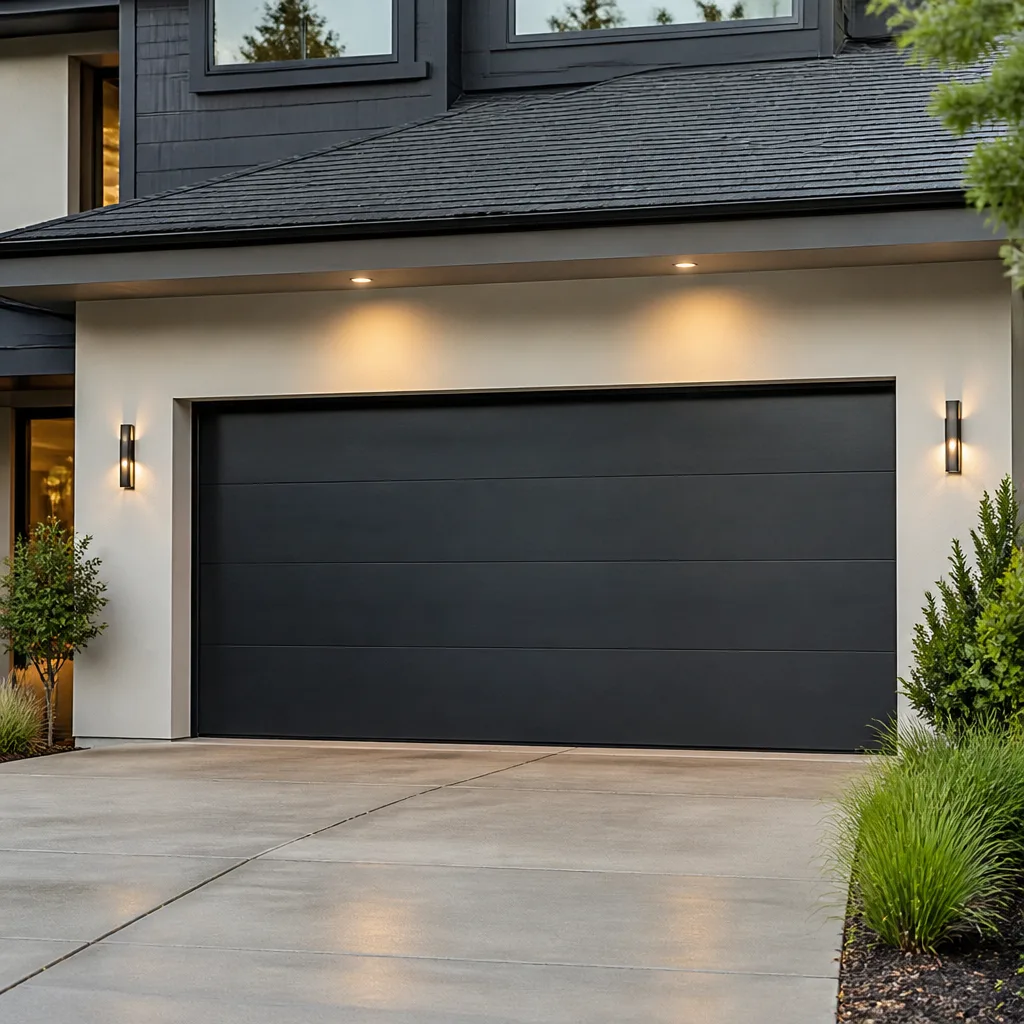 Modern flush
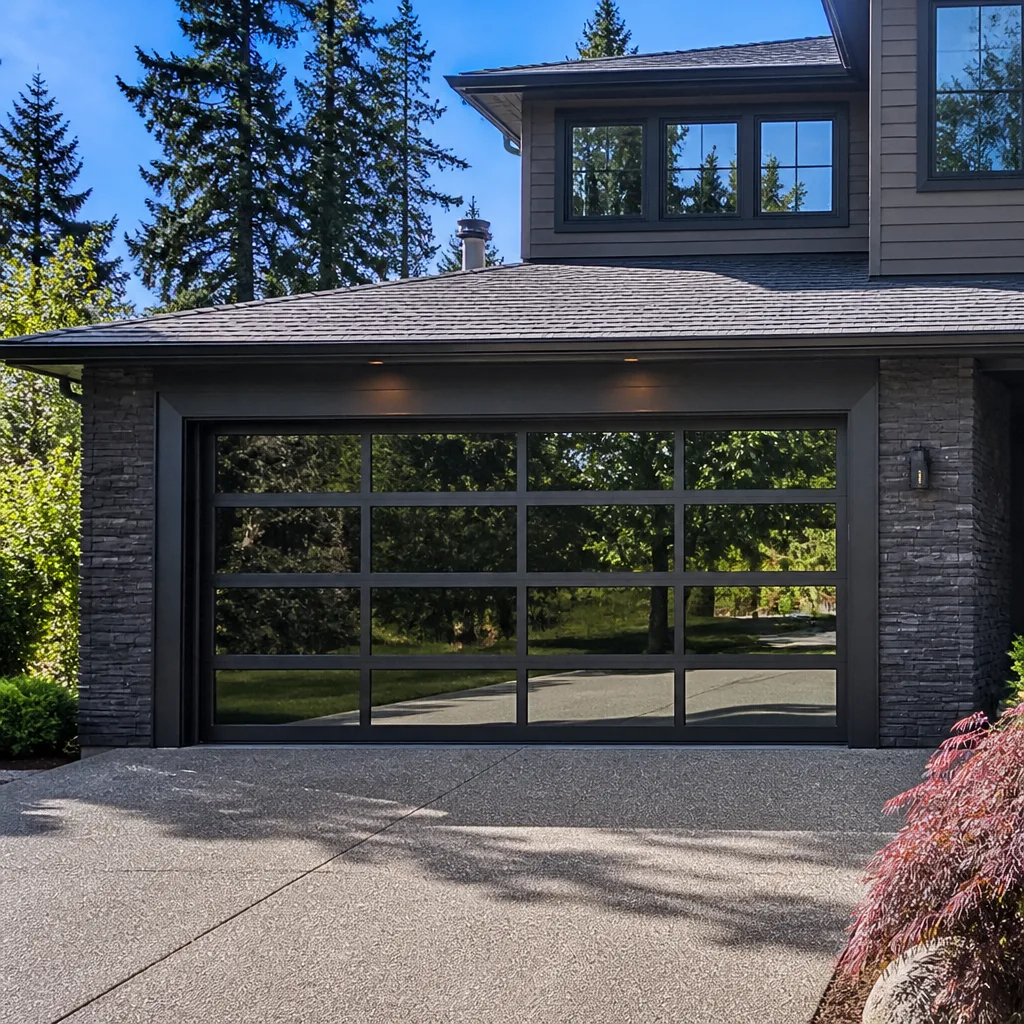 Full-view glass
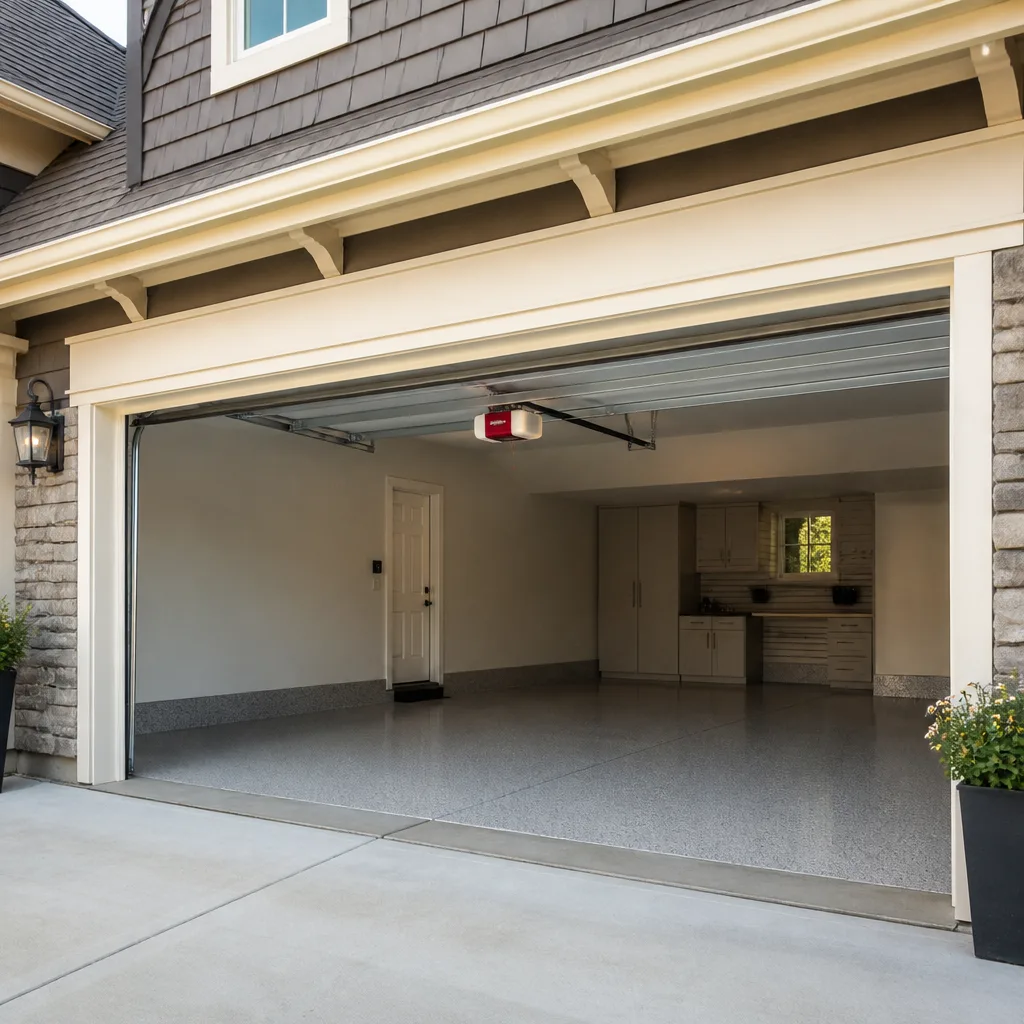 LiftMaster openers
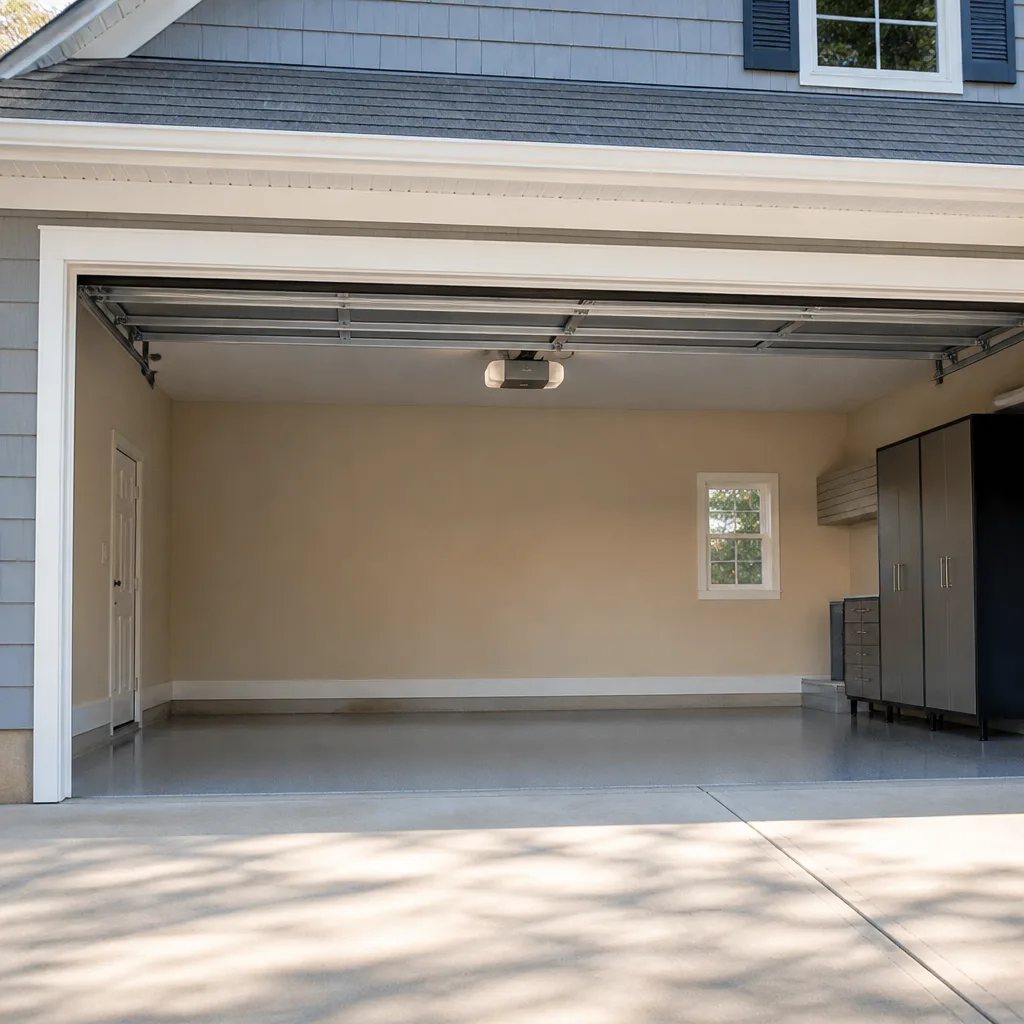 Chamberlain openers
Full 25-point door and opener safety check with every visit - springs, cables, rollers, tracks, and your LiftMaster or Chamberlain opener included
You get a price before we start. It does not change when the pro arrives.
Get your free estimateGarage Door Emergency Preparedness Guide for Noblesville Homes
Most people think about a garage door the way they think about a smoke alarm: they don’t, until something goes wrong. That’s the wrong order. A failed garage door is rarely a slow, convenient problem. It’s a closed trap for your car, an open invitation into your house, or a wall of steel between you and a workday that started ten minutes ago. In Noblesville, where the garage is the front door for most households, that failure lands hard. This guide is about planning ahead so a broken door is an errand, not a crisis. You’ll learn how to get a stuck door open by hand, how to secure a door that won’t close, what to tell a technician before they arrive, and how a quick seasonal check keeps most of these calls from ever happening.
Quick Answer
A garage door emergency is any failure that leaves your home open, your car trapped, or a door stuck at a dangerous angle – and the right response is to secure the opening first, avoid forcing anything under spring tension, and call for professional help. When a spring breaks, never try to lift or repair it yourself; the parts are under extreme tension and cause serious injury. If the door won’t close, block the opening and get someone out the same day. For emergency garage door repair in Noblesville, call (844) 747-6072. We answer 24/7, and fast dispatch runs from 7am to 7pm, Sunday through Friday.
Styles & brands we work with
- Raised-panel steel
- Carriage house
- Modern flush
- Full-view glass
- LiftMaster openers
- Chamberlain openers
Table of Contents
- What Counts as a Garage Door Emergency?
- How to Open a Garage Door by Hand Safely
- How to Secure a Garage Door That Won’t Close
- What to Have Ready Before You Call for Emergency Service
- Storm and Wind Damage: What to Do Mid-Event
- The 15-Minute Pre-Season Check That Prevents Most Emergencies
- Why Brand and Model Matter in a Garagedoor Emergency
- Cold-Weather and Seasonal Risks Specific to Noblesville
What Counts as a Garage Door Emergency?
Not every malfunction needs a same-day visit. A door that’s noisy, a remote that only works up close, a light that flickers – those can wait for a scheduled repair. An emergency is different. It’s a failure that leaves your home unsafe, your vehicle trapped, or the door in a position where it could fall or move unexpectedly. Sorting your problem into the right category saves you a panicked call and helps the technician plan the right visit.
Here’s how we break it down in the field:
- True emergency: a snapped spring, a door stuck half-open, a broken cable, a door that has come off one track, or anything that won’t close while your house sits exposed.
- Same-day urgent: an opener that won’t respond, a door that reverses on its own, or a safety sensor that keeps the door from closing. You want it fixed today, but no one is in danger.
- Scheduled repair: a dented panel, a worn roller, a remote or keypad that’s stopped programming, or a door that’s simply louder than it used to be.
In Noblesville, we see a distinct pattern: most true emergencies start with the springs, not the opener. A torsion spring carries the weight of the door – typically hundreds of pounds – and when it fatigue-fails, it does so without warning, often at the worst possible moment. If you hear a sharp bang from the garage and the door won’t lift, assume a spring and stop there. That door is now dead weight, and it’s not a handyman job. Our Noblesville Garage Door Repair team treats spring failure as its own category because the tools and training required are specific.
How to Open a Garage Door by Hand Safely
Every automatic opener has a manual release – usually a red cord hanging from the trolley near the top of the door. Pulling it disengages the door from the opener so you can raise it by hand. That sounds simple, and for a healthy door it is. But the safety of the maneuver depends entirely on whether the springs, cables, and tracks are intact. A door with a broken spring is a different animal.
First, ask yourself: is this safe to try? If you heard a bang, saw a spring hanging loose, noticed a frayed cable, or the door is visibly crooked in the tracks, do not attempt to lift it. The door could come down on you or a cable could whip. Leave it, secure the house by other means, and call for help.
If the door looks normal and simply won’t respond to the opener, here’s the safe sequence:
- Close the door fully first if it’s open, or leave it down if it’s already closed. Never disengage a door that’s partway up.
- Pull the red release cord straight down and toward the door. You’ll hear the trolley click free.
- Stand to the side and lift the door slowly with both hands, using the handle or bottom edge. A properly balanced door lifts with modest effort; if it feels extremely heavy, it’s not safe.
- Guide it up until it’s fully open, then prop or secure it before letting go. A balanced door should stay put, but don’t assume.
- To reengage, close the door fully, pull the cord again to reset the trolley, then run the opener once to confirm the door travels cleanly.
The most common mistake we see is people pulling the release while the door is mid-travel, which lets it slam. The second is trying to force a heavy door up with a broken spring. If the door won’t lift with reasonable effort, that’s your signal to stop. Springs are under extreme tension – this is not a DIY repair.
How to Secure a Garage Door That Won’t Close
An open garage door overnight leaves your home accessible. If the door won’t close and you can’t get a technician out immediately, your goal is to make the opening physically hard to enter and visually closed. You’re buying time, not fixing the door.
Here’s what works:
- Lower the door as far as it will go by hand using the release, then wedge it with a bar or heavy object so it can’t be raised from outside.
- Disconnect the opener so nobody accidentally triggers it and raises the door while you’re securing it.
- Block the tracks from the inside with a clamp or a length of wood so the door can’t roll up if it’s bumped.
- Move anything valuable – tools, bikes, a second car – out of the garage into the house for the night.
- Park a vehicle close to the door if you have one inside, as a physical backup.
Don’t try to bend tracks, force a jammed door down, or tie the door shut from outside with anything that could snap. And don’t leave a door propped open with the opener still connected – a neighbor’s remote or a stray signal can undo your work. If the door is stuck open and it can’t be safely lowered, that’s an emergency worth calling for right away. Call (844) 747-6072. A call outside dispatch hours is booked into the next opening, Sunday through Friday, 7am to 7pm.
What to Have Ready Before You Call for Emergency Service
The single biggest reason a garage door repair takes longer than it should is missing information. When a technician knows your door’s make, model, and the exact symptom before heading out, they arrive with the right parts and the right tools – no second trip, no waiting on a special order. This is where a specialist that works across the major brands earns its keep.
Have these details ready when you call:
- The door brand – Clopay, Amarr, Wayne Dalton, or another make. It’s usually on a sticker on the door or the bottom panel.
- The opener brand – LiftMaster, Chamberlain, Genie, Craftsman, Raynor, or another. Check the motor housing.
- What you were doing when it failed – opening, closing, or nothing at all.
- The exact symptom – a bang and no lift, a door that reverses, a grinding noise, a door that stops partway.
- Whether the door is open, closed, or stuck, and if it’s stuck open, whether the house is exposed.
- Anything you’ve already tried, including whether you pulled the release cord.
- Your address and gate or access notes if your driveway or neighborhood has one.
That five-minute conversation is what lets a technician diagnose before arriving. Our technicians have up to 9 years of experience, and the difference between a first-visit fix and a callback is almost always how much the customer could tell us up front. If you’re unsure of your brand, we can help you identify it over the phone.
Storm and Wind Damage: What to Do Mid-Event
Noblesville sees its share of strong thunderstorms and the straight-line wind events that come with them. Wind is hard on garage doors because a wide, flat panel acts like a sail. A gust can bow a panel, bend a track, or push a door off its rollers. Hail is uncommon here, so most of what we see after a storm is wind and impact damage rather than hail dents.
If wind is hitting your door during a storm:
- Keep the door closed during high wind. An open door presents far more surface to the wind and is much more likely to fail.
- Stay out of the garage while the storm passes. A door that comes off a track under load can fall.
- After the storm, inspect from the ground – look for bent tracks, a crooked door, sagging panels, or a door that no longer sits flush.
- Don’t force a bent door to open or close. A door off-track can drop suddenly; that’s a call-a-professional situation.
- Photograph the damage for your records before anything is moved.
If a storm has knocked your door off its track or bent a panel so it won’t close, treat it as an emergency. A door that’s out of its tracks is unstable and shouldn’t be operated. Our emergency garage door service exists for exactly this – the failures that can’t wait until the next scheduled appointment. Reliable garage door repair after a storm means checking the whole system, not just the panel that’s visibly bent.
The 15-Minute Pre-Season Check That Prevents Most Emergencies
Most of the emergencies we get called for are preventable. A short check each season – ideally before the cold sets in and again before the heat of summer – catches the worn parts that fail without warning. The whole thing takes under 15 minutes, and it costs nothing.
Here’s the routine:
- Listen to the door. Run it once and stand in the garage. Grinding, scraping, or a rhythmic thump means worn rollers or a track that needs adjustment.
- Watch the balance. Disengage the opener and lift the door halfway by hand. It should hold there without drifting. If it drops or rises on its own, the springs are out of balance.
- Check the springs. Look at the torsion spring over the door and the extension springs along the sides. Look for a visible gap or a stretched, sagging spring – both mean it’s near failure. Don’t touch them; just note their condition.
- Inspect the cables. Frayed or rusted cables are a warning sign. Again, look, don’t touch.
- Run the safety reverse test. Place a piece of wood or a roll of paper towels in the door’s path and close it. The door should reverse on contact. If it doesn’t, that’s a safety fix worth scheduling.
- Test the sensors. Wave your hand across the photo-eye sensors at the bottom of the tracks. The door should not close while they’re blocked.
- Clear the tracks of debris and tighten any loose bolts on the hinges and brackets by hand.
If the check turns up a loud, unbalanced, or slow-moving door, schedule a repair before it becomes a failure. Catching a tired spring on a routine visit is a far better day than catching it at 7am with a car trapped inside.
Why Brand and Model Matter in a Garage Door Emergency
A garage door is a system, and the parts are not universal. A spring sized for a Clopay door won’t fit an Amarr or a Wayne Dalton at the same weight. An opener built by Genie has different logic boards, sensors, and travel limits than a LiftMaster or a Chamberlain. In an emergency, that matters because the wrong part means the door stays down while someone orders the right one.
We work on the major brands specifically, which changes what an emergency call actually looks like:
- We know the common failure points on each brand, so we can often diagnose by symptom before arriving.
- The right parts get pulled the first time, not guessed at.
- Opener repair follows brand-specific reset and calibration steps, so the fix holds.
- You don’t get a generalist learning your door on the job.
That’s also why the same company that repairs a spring today can install a completely new door and opener tomorrow if that’s the better path. When repair stops making sense, garage door installation is a natural next step rather than a call to a different contractor. One company, one source, no handoffs – which is exactly what you want when your garage is your front door.
Cold-Weather and Seasonal Risks Specific to Noblesville
Indiana winters are hard on garage doors. The temperature swings between freezing nights and milder days, and that cycle works on metal, grease, and wood alike. It’s not just the cold itself – it’s the freeze-thaw rhythm that does the damage.
What to watch as the season turns:
- Stiff springs. Cold makes steel less resilient. A spring that’s near the end of its life is more likely to snap in the first cold snap than in mild weather.
- Sticky lubricant. Grease thickens in the cold, which makes the door sluggish and strains the opener. Keeping hinges and rollers lightly lubricated helps.
- Frozen seals and thresholds. A door that’s frozen to the floor can burn out the opener gear if you keep triggering it. Clear ice from the bottom seal before opening.
- Contraction and misalignment. Metal tracks can shift slightly with temperature, throwing a door out of alignment.
- Winter access. If your garage is the family’s main entry, a failure in January means everyone is standing in the cold. That’s the moment when same-day service matters most.
The season check in the previous section is the best defense against a cold-weather failure. Do it in the fall, before the first hard freeze, and you’ll catch the tired spring before it fails on the coldest morning of the year.
Common Mistakes to Avoid
- Trying to fix a torsion spring yourself. This is the most dangerous mistake we hear about. The spring is under extreme tension and can cause serious injury. Leave it to a trained technician.
- Forcing a door that’s off its track. A bent track plus force equals a door that can drop without warning. Stop and call.
- Pulling the release while the door is mid-travel. It slams. Close the door fully first, then disengage.
- Hiring a general handyman for spring or opener work. A multi-trade contractor may decline the job or get it wrong. Springs and opener calibration need a garage door specialist.
- Ignoring a noisy door. A grinding or thumping door is telling you a part is failing. Address it before it becomes an emergency.
- Skipping the safety reverse test. It takes 30 seconds and it’s the one check that protects people and pets.
- Calling without your brand and model ready. It’s the difference between a first-visit fix and a callback. Have it handy.
See the difference
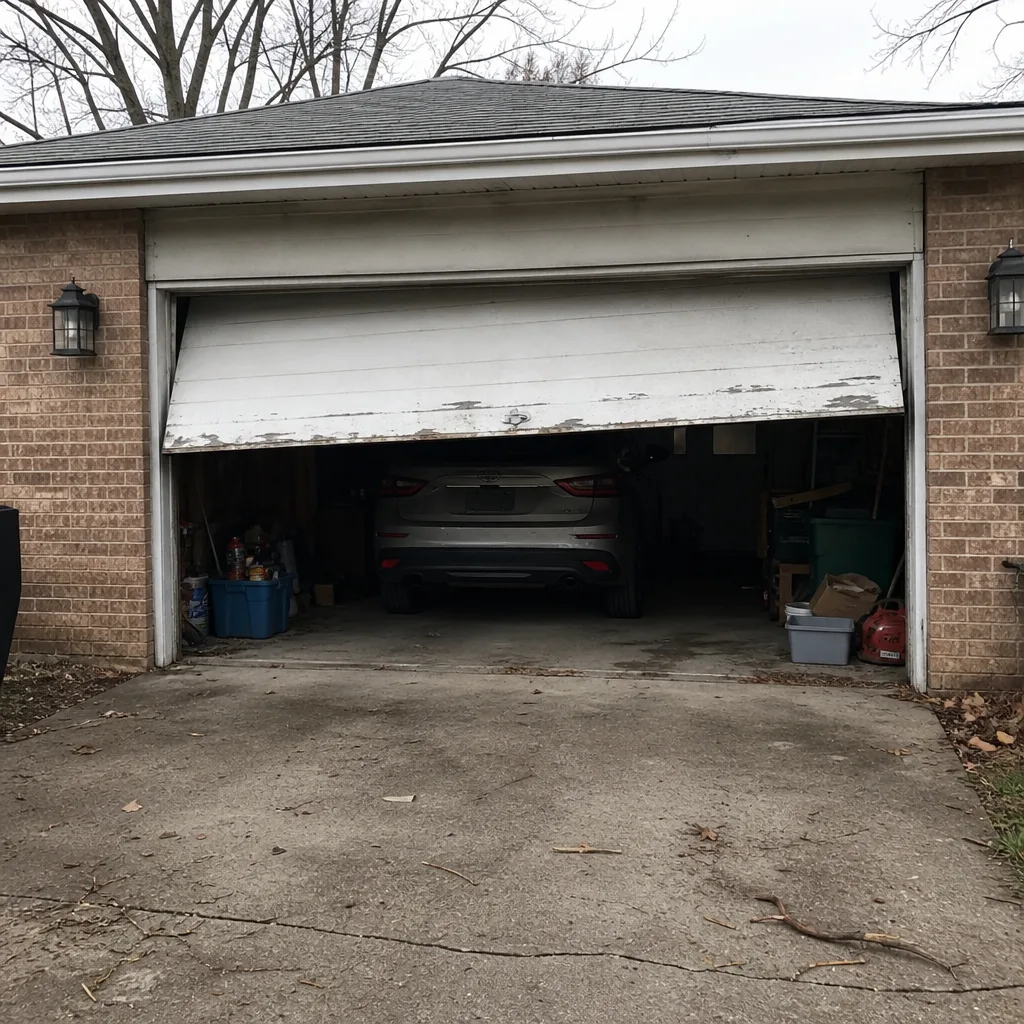 Before
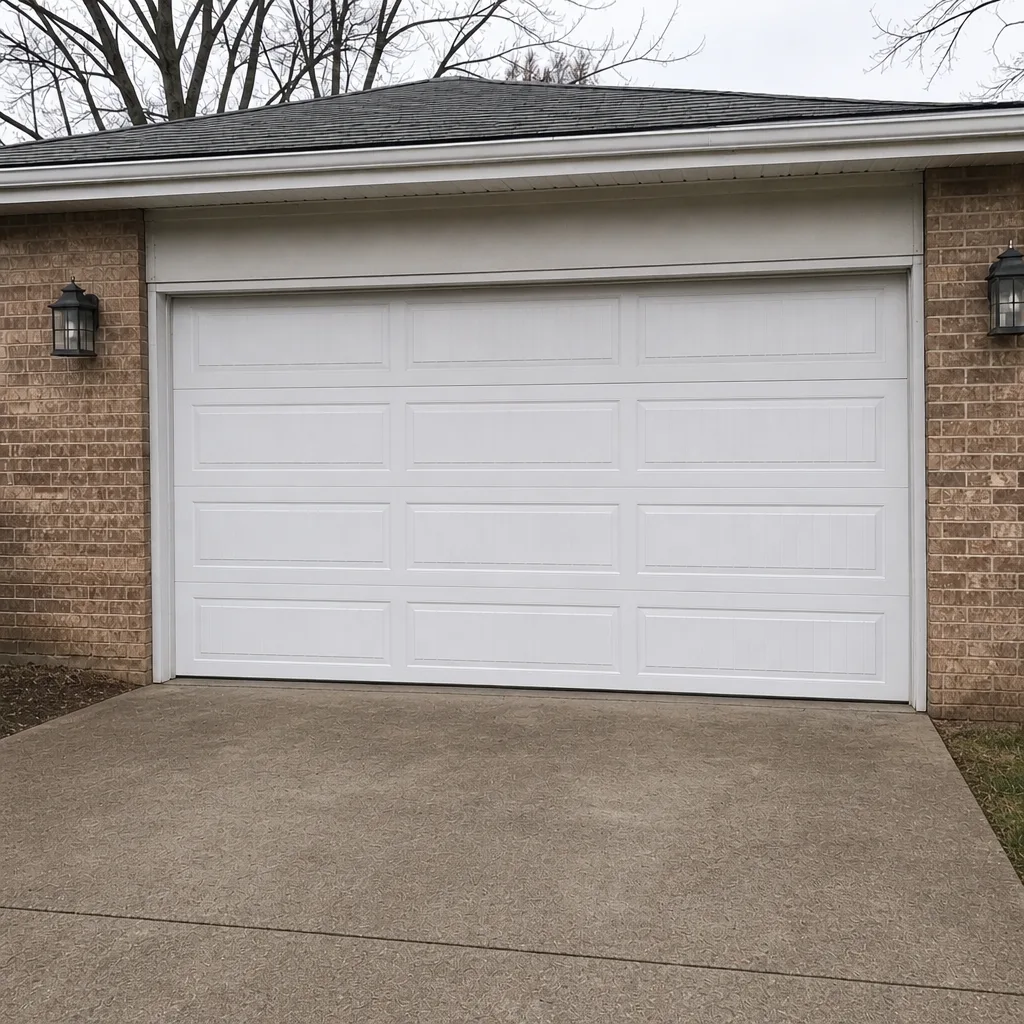 After
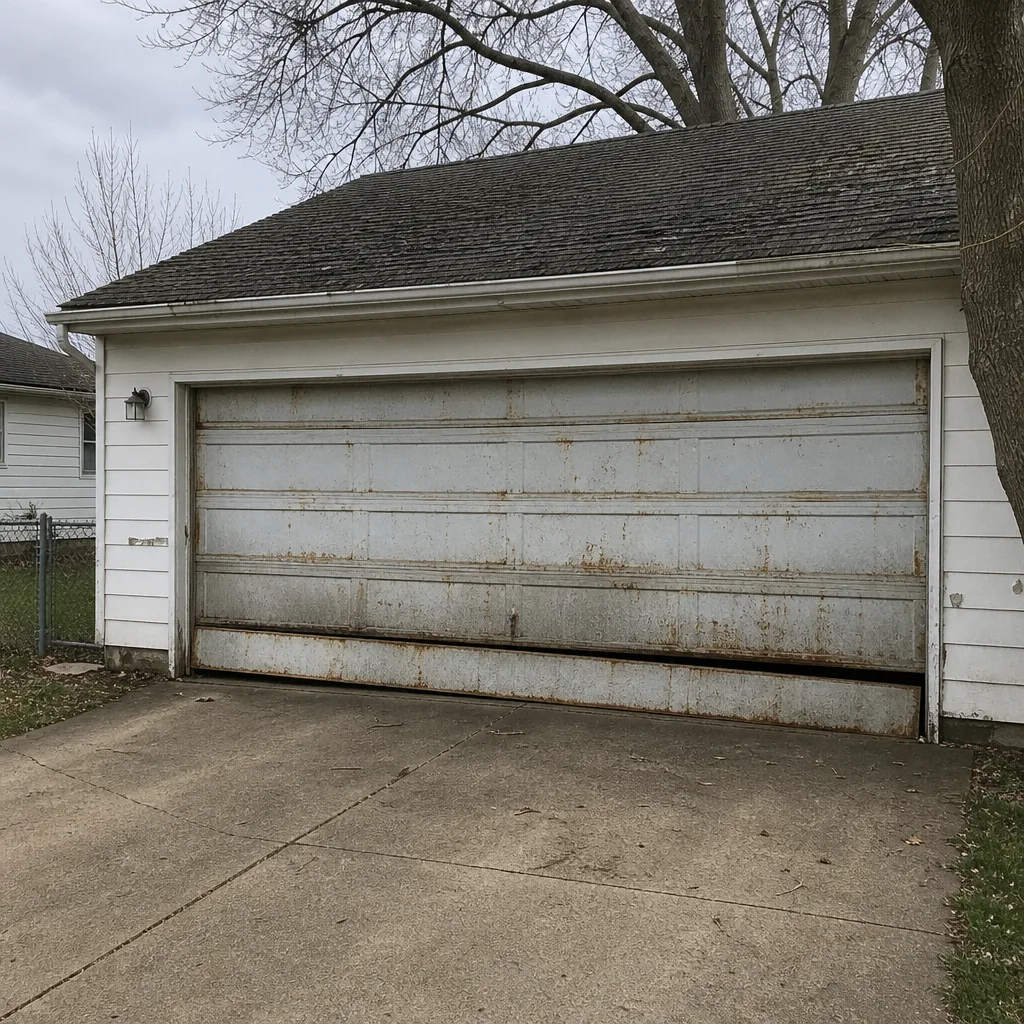 Before
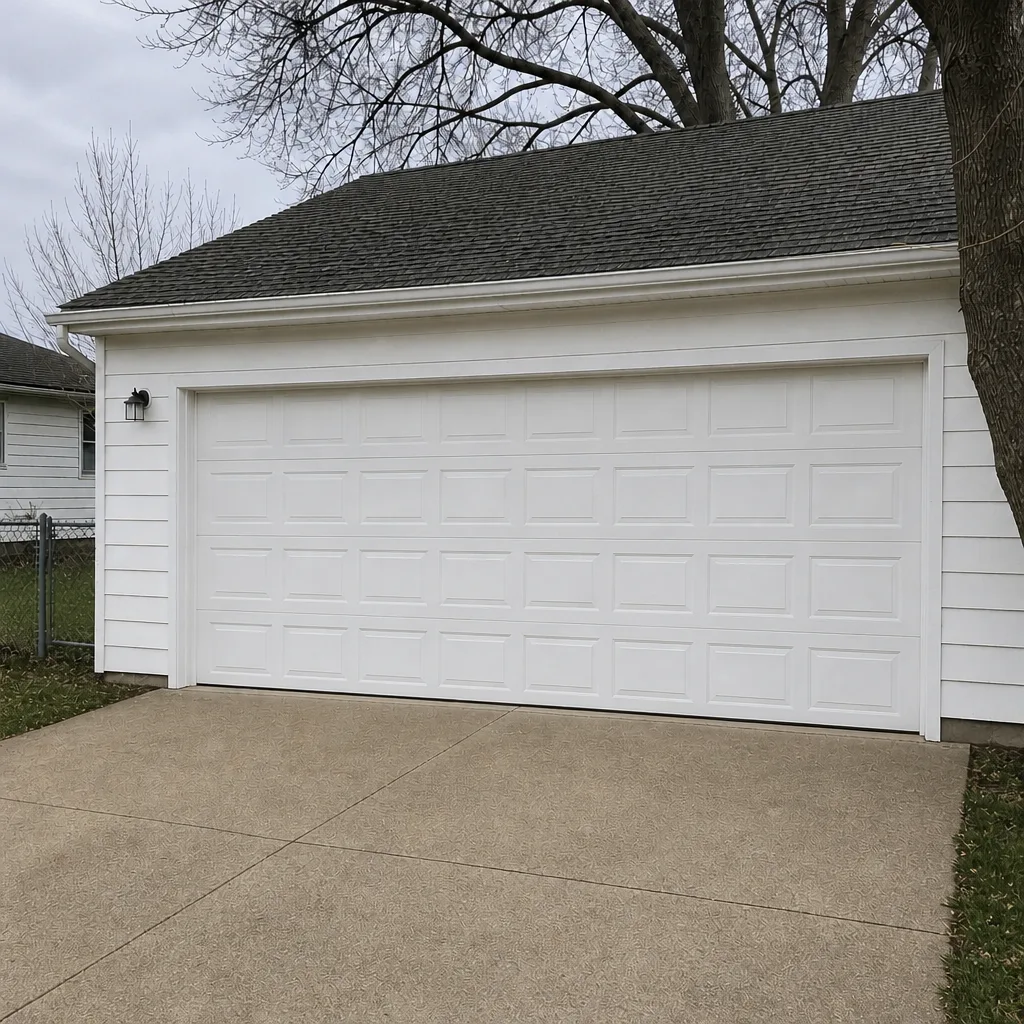 After
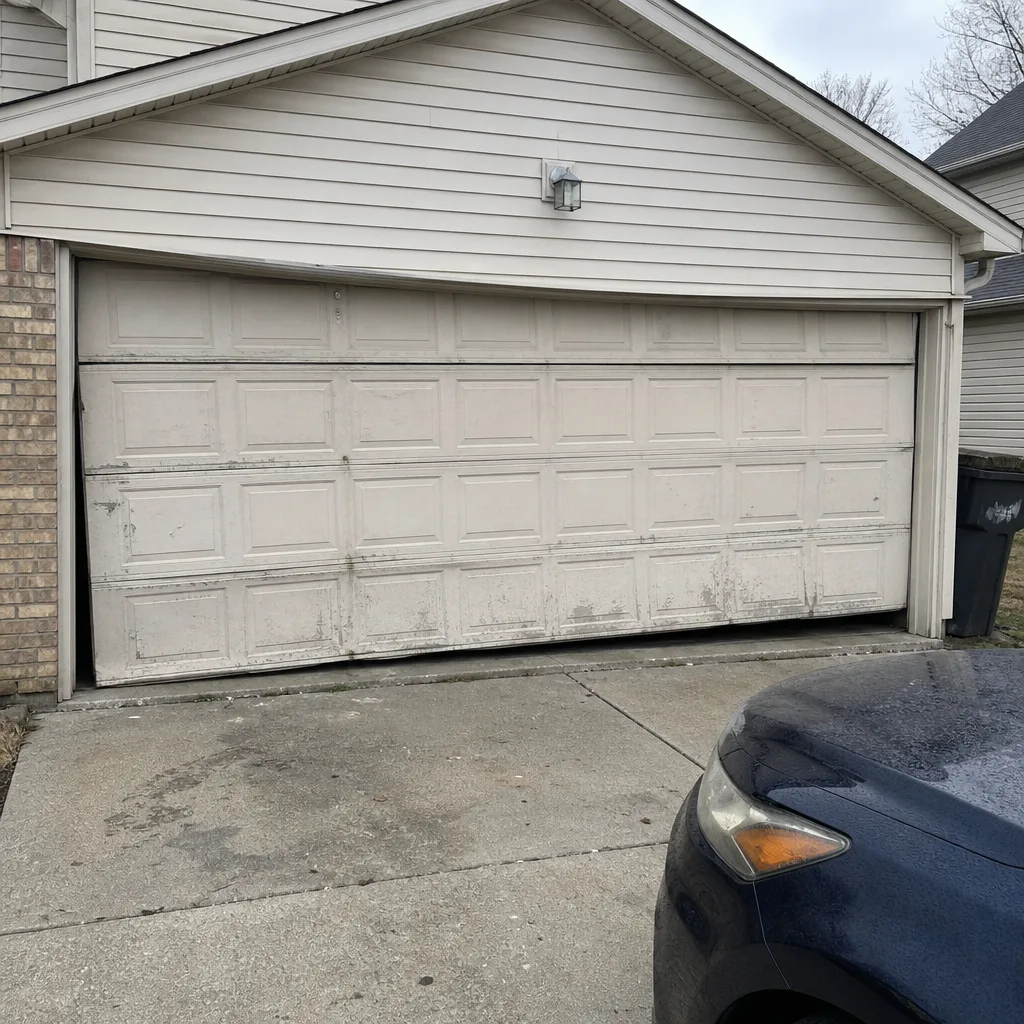 Before
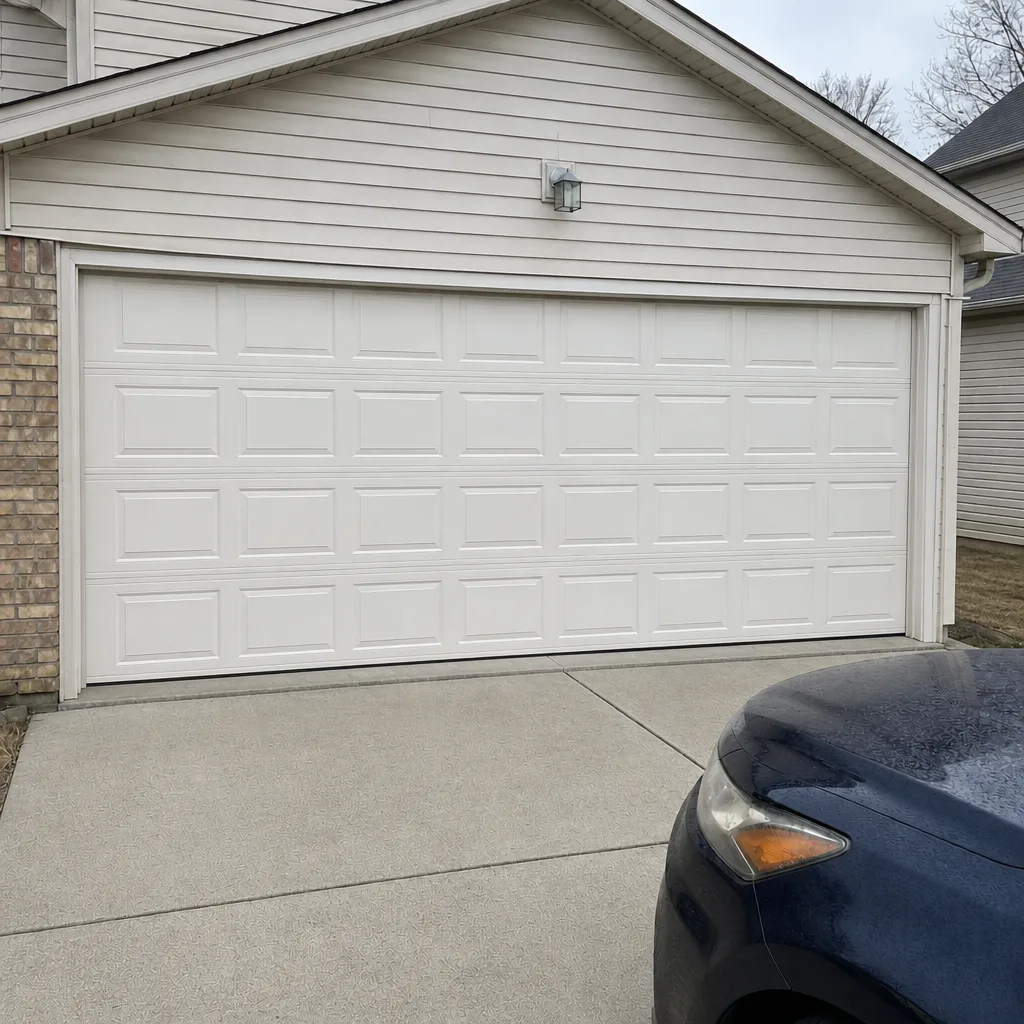 After
When to Call a Professional
Call for professional help when the door is under spring tension you can’t safely manage, when it’s off its tracks, when a cable is frayed or broken, or when the opener won’t respond and the door won’t secure your home. Also call if the door reverses unpredictably or the safety sensors fail – those are safety issues, not inconveniences. If you’re unsure, describe what happened over the phone and we’ll help you sort out whether it’s urgent. Noblesville Garage Door Repair offers free estimates in Noblesville – call (844) 747-6072. We answer 24/7. Fast dispatch from 7am to 7pm, Sunday through Friday. The price is quoted and agreed before any work starts, so there are no surprises.
Frequently Asked Questions
Stop operating the door and secure the house. A snapped spring means the door is now dead weight and should not be lifted by hand or run with the opener. If the door is closed, keep it down and block the opening; if it’s open, lower it carefully if you can and never force it. Then call (844) 747-6072. We answer 24/7, and fast dispatch runs from 7am to 7pm, Sunday through Friday.
No. A door with a broken spring is far too heavy to lift safely by hand, and a failed spring leaves the cables under load. Leave the door alone and call for help. Attempting to lift it can cause serious injury.
Lower it as far as it will go by hand, disconnect the opener, wedge the door so it can’t be raised from outside, and block the tracks from the inside. Move valuables into the house. If the door can’t be safely lowered at all, treat it as an emergency and call right away.
The price depends on the job – spring, cable, opener, or track – and every job is quoted individually. The estimate is free, and the price is set by the written estimate and agreed before any work begins. Call (844) 747-6072 for a free estimate. We answer 24/7.
Have your door and opener brands, the exact symptom, what you were doing when it failed, and whether the door is open or closed. That lets the technician arrive with the right parts the first time. Call (844) 747-6072 to get started.
Yes. We service LiftMaster, Chamberlain, Genie, Clopay, Amarr, Wayne Dalton, Craftsman, and Raynor systems, so your brand and model get the specific parts and calibration they need. For garage door opener repair, matching the opener brand matters just as much as the door. Call (844) 747-6072 to confirm your model.
The Bottom Line
A garage door emergency in Noblesville is manageable when you’ve planned for it. Secure the opening first, never touch spring or cable tension, and call with your brand and symptoms ready so the fix lands on the first visit. Run a 15-minute check each season to catch the tired spring and noisy roller before they fail. Know your manual release and how to use it safely. Keep (844) 747-6072 handy – we answer 24/7, with fast dispatch from 7am to 7pm, Sunday through Friday, free estimates, and a price agreed before any work starts. One call covers it, from a snapped spring to a full new door.
Written by the team at Noblesville Garage Door Repair.